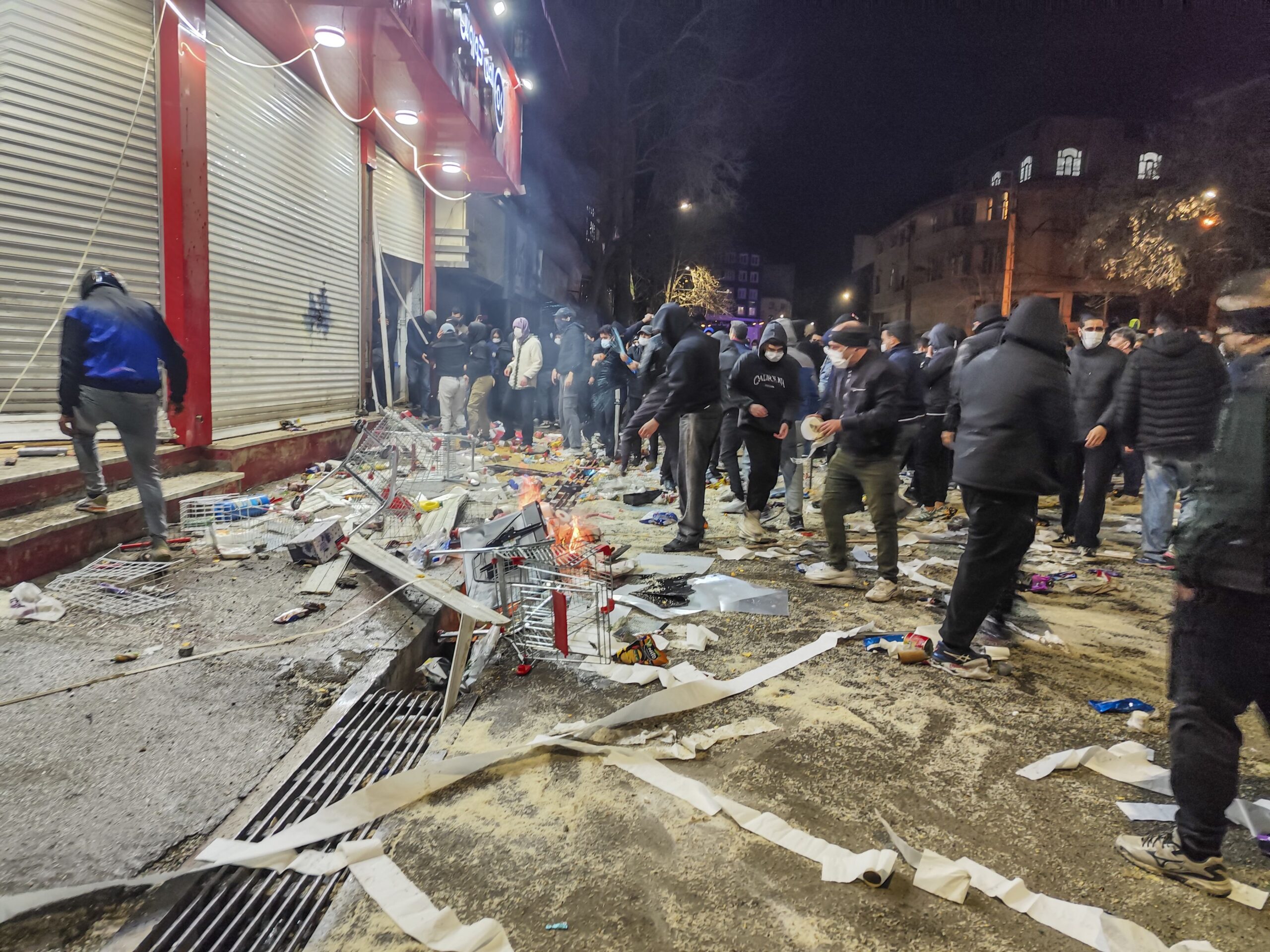
Iran’s nationwide protests have entered a dangerous new phase as violence and unrest continue to spread across the country, with the death toll now surpassing 2,500 people, according to the U.S.–based Human Rights Activists News Agency (HRANA). The casualties include over 2,400 protesters, government personnel, minors, and civilians, making this the deadliest wave of unrest the Islamic Republic has seen in decades. Iranian authorities have faced criticism for their harsh crackdown, which has involved live ammunition, mass arrests, and severe communication blackouts while protesters demand political and economic reforms.
International reactions are intensifying. The United States has openly voiced support for demonstrators, with President Trump warning Tehran that executions or continued repression could prompt “very strong action”, including potential military measures. Several European governments have summoned Iranian ambassadors to protest the bloodshed, and the European Union is preparing additional punitive measures. Meanwhile, Russia has cautioned against foreign intervention, and Iran accuses external powers of fomenting unrest.
Communication restrictions have been slightly eased, allowing limited international calling, but broader internet access remains blocked, complicating independent verification of events inside the country. Satellite internet services are helping some Iranians communicate with the outside world. The volatile situation shows little sign of abating as global warnings grow alongside mounting casualties in Iran’s streets — news as reported.