Scientists across the globe are raising concerns over rapidly rising ocean temperatures, warning that the trend is having a severe impact on marine ecosystems and biodiversity.
According to recent studies, ocean temperatures have reached record highs in several regions, driven largely by climate change and increased greenhouse gas emissions. Warmer waters are disrupting marine life, affecting everything from coral reefs to large ocean species.
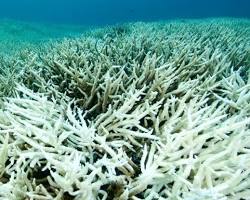
Marine biologists report that coral bleaching events are becoming more frequent and intense, particularly in regions like the Pacific and Indian Oceans. Coral reefs, often referred to as the “rainforests of the sea,” are highly sensitive to temperature changes, and prolonged heat exposure can lead to large-scale die-offs.
In addition, rising temperatures are causing shifts in marine species distribution, as fish and other sea life migrate toward cooler waters. This is impacting global fishing industries and threatening food security in coastal communities that rely heavily on marine resources.
Scientists also warn that warmer oceans contribute to stronger storms and altered weather patterns, further intensifying the effects of climate change. The loss of marine biodiversity could have long-term consequences for the planet’s ecological balance.
Environmental organizations are calling for urgent global action to reduce carbon emissions, protect marine habitats, and promote sustainable ocean practices. Without immediate intervention, experts caution that the damage to marine ecosystems could become irreversible. News as Reported.