

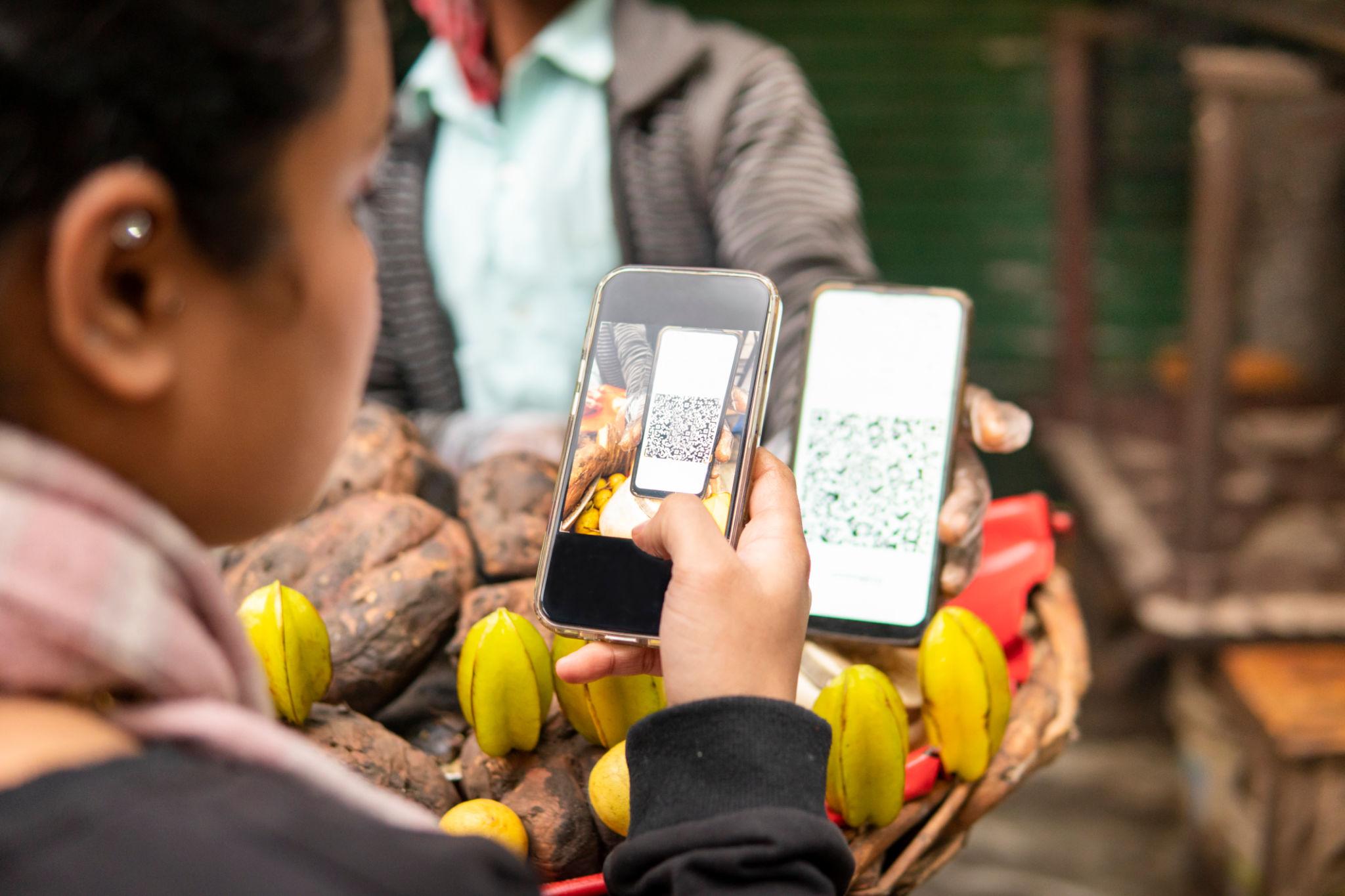
Digital payment transactions in India continue to witness strong growth across both urban and rural areas, reflecting the country’s rapid shift toward a cashless economy. Driven by increasing smartphone penetration, affordable internet access, and government initiatives, digital platforms are becoming the preferred mode of payment for millions of users.
According to the Reserve Bank of India (RBI), the volume of digital transactions has surged significantly, with systems like Unified Payments Interface (UPI) leading the transformation. From small vendors in villages to large retailers in cities, digital payments are being widely adopted due to their convenience, speed, and security.
Government-backed initiatives such as Digital India have played a key role in expanding financial inclusion, enabling even remote communities to access digital banking services. Banks and fintech companies are also introducing user-friendly apps and services to cater to diverse customer needs, further accelerating adoption.
In rural areas, the rise of QR code-based payments and mobile wallets has empowered small businesses and self-employed individuals, reducing dependence on cash transactions. Meanwhile, urban consumers are increasingly relying on digital payments for everyday activities, including shopping, bill payments, and transportation.
The continued growth of digital transactions highlights India’s progress toward a more transparent and efficient financial ecosystem. As infrastructure improves and awareness increases, digital payments are expected to play an even more significant role in driving economic growth and financial inclusion across the country news as reported.


- upgraderz.aws@gmail.com
- upgraderz.aws@gmail.com
- upgraderz.aws@gmail.com
- upgraderz.aws@gmail.com