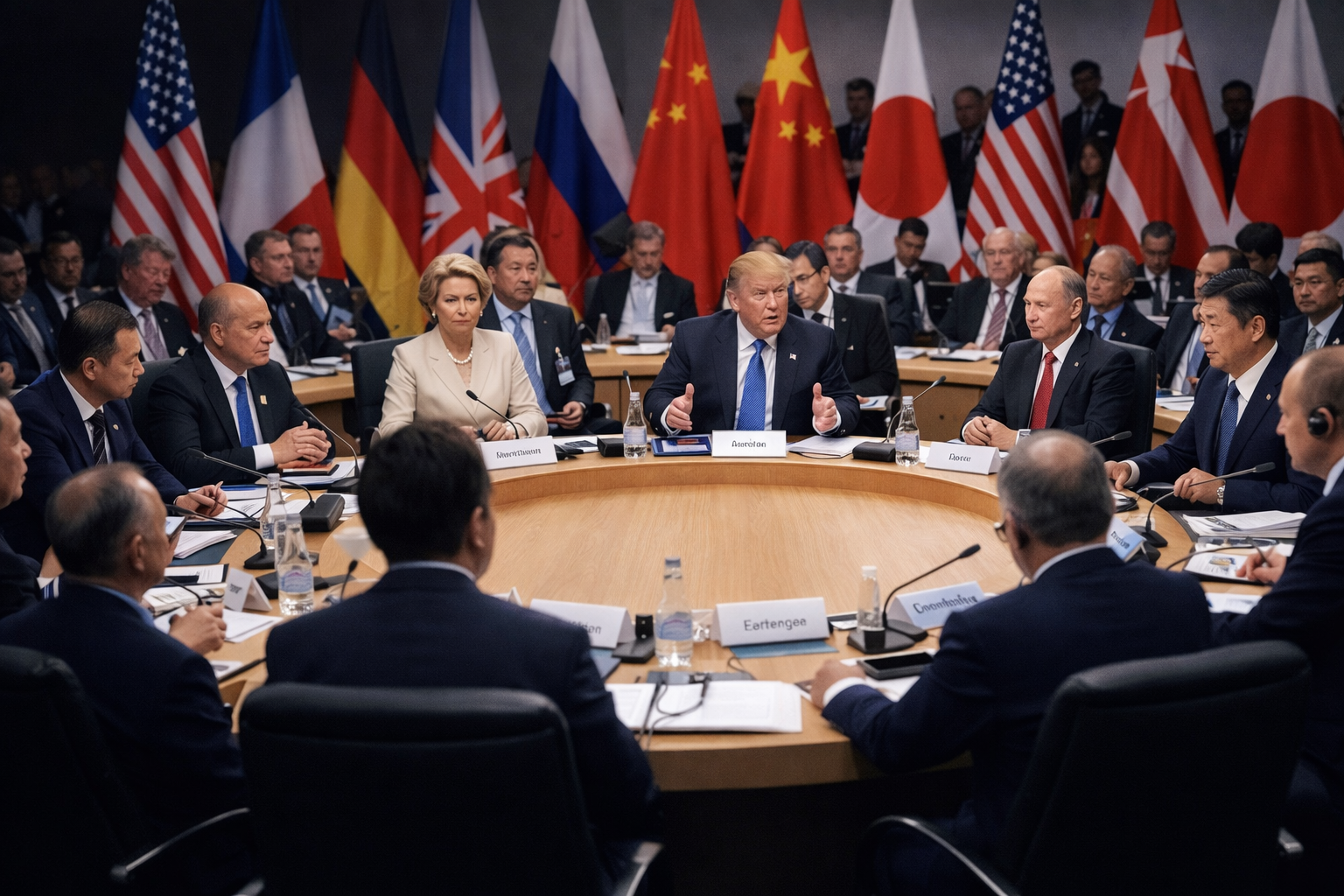
Global allies are voicing growing skepticism toward a proposed U.S.-backed “Board of Peace” initiative as leaders prepare to gather for a major international summit later this month. The plan, championed by senior U.S. officials as a new framework to oversee conflict resolution and post-war stabilization, is being promoted as a faster and more flexible alternative to existing multilateral mechanisms.
However, diplomats from Europe, Asia, and parts of the Middle East have privately raised concerns about the initiative’s structure, mandate, and long-term implications. Several allied governments worry the board could sideline established institutions such as the United Nations and weaken consensus-based diplomacy. Questions have also been raised about governance, funding responsibilities, and whether the initiative would reflect a truly multilateral approach or remain heavily influenced by Washington.
Officials familiar with the discussions say some countries are reluctant to commit ahead of the summit, preferring to see clearer rules, legal backing, and defined accountability. Humanitarian organizations have echoed these concerns, warning that overlapping peace mechanisms could create confusion on the ground during active crises.
The U.S. administration argues that the Board of Peace is designed to complement existing bodies, not replace them, and insists it could speed up decision-making during urgent conflicts. Nonetheless, with trust and coordination at stake, allied leaders are expected to press for revisions and guarantees when the proposal is formally discussed at the summit, news as reported.