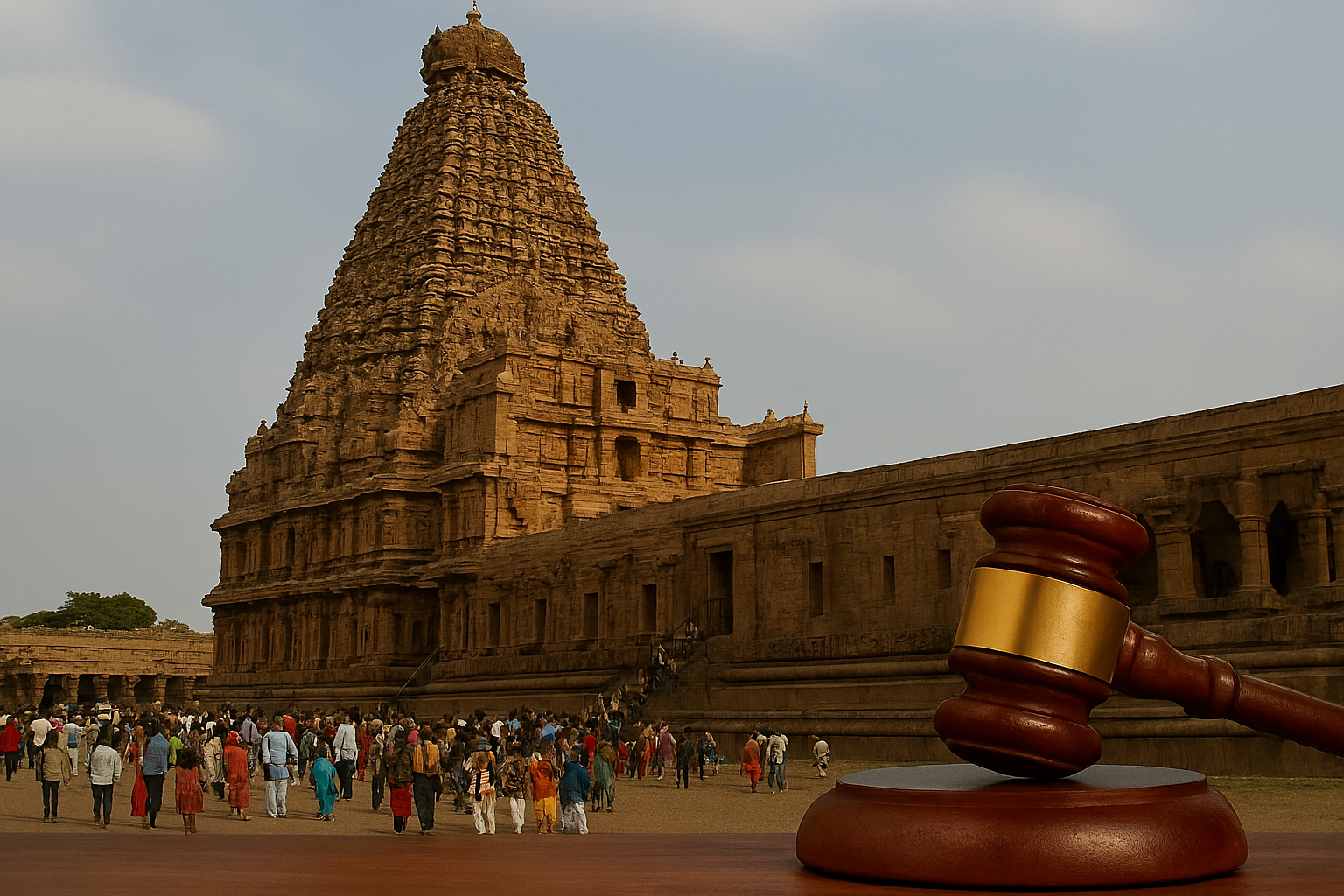
The High Court has ordered a vigilance investigation into the alleged misappropriation of ₹35 lakh linked to the sale of ghee at a major pilgrimage temple in Kerala. The directive follows serious allegations that funds collected from devotees were not properly accounted for and may have been diverted for unauthorized purposes.
The case came before the court after a petition raised concerns over discrepancies in financial records related to ghee sales conducted during the pilgrimage season. The petitioner argued that despite large volumes of sales and significant revenue generation, corresponding amounts were not reflected accurately in official accounts. It was further alleged that established financial procedures were ignored, raising doubts about transparency and accountability in fund management.
Taking note of the allegations, the court observed that temple funds are public in nature, as they are contributed by devotees with trust and faith. Any misuse of such funds, the court stated, undermines public confidence in religious institutions and warrants strict scrutiny. The court emphasized that even the perception of financial irregularities must be addressed through an impartial investigation.
Temple authorities have denied any wrongdoing, maintaining that all collections and expenditures were carried out according to existing norms. They attributed the discrepancies to possible clerical or accounting errors and expressed willingness to cooperate fully with the probe.
The vigilance department has been directed to conduct a detailed inquiry, examine financial records, question officials involved, and determine whether there was deliberate misappropriation or procedural lapses. A report is to be submitted within a specified timeframe.
The case has sparked wider discussions on the need for stronger oversight mechanisms, regular audits, and digital tracking of temple revenues. Many devotees and civil society groups have welcomed the court’s decision, viewing it as a step toward ensuring transparency, accountability, and protection of public trust in temple administration.