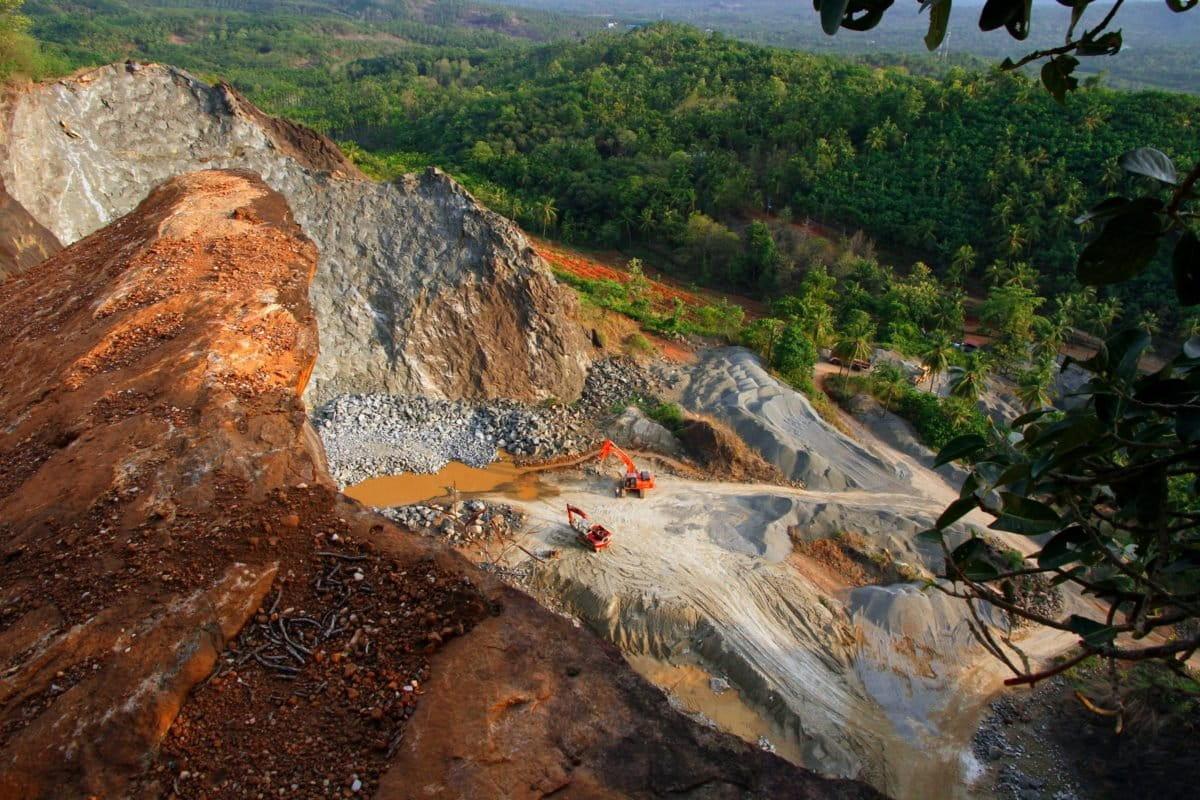
A recent environmental study has warned that expanding mining and quarrying activities could seriously damage the fragile ecosystems of the Western Ghats, one of the world’s most important biodiversity hotspots. Researchers say increasing extraction of minerals and stone is placing immense pressure on unique rocky plateaus, forests, rivers, and wildlife habitats across the mountain range.
Scientists highlighted that many of the affected areas contain rare and endemic plant species found nowhere else on Earth. Mining operations can destroy natural landscapes, fragment wildlife corridors, pollute freshwater sources, and increase soil erosion. Experts also warn that habitat destruction could threaten several vulnerable species of amphibians, birds, reptiles, and insects that depend on the Western Ghats ecosystem.
The report particularly emphasizes the ecological importance of lateritic plateaus and grassland habitats, which are often wrongly classified as “wastelands” despite supporting rich biodiversity during the monsoon season. Environmentalists fear that unchecked industrial expansion may lead to irreversible ecological damage and weaken the region’s role in regulating rainfall and climate.
Conservation groups are urging stronger environmental impact assessments, stricter mining regulations, and better protection for ecologically sensitive zones. Researchers stress that balancing economic development with long-term ecological conservation is essential to safeguard the Western Ghats for future generations.
News as reported