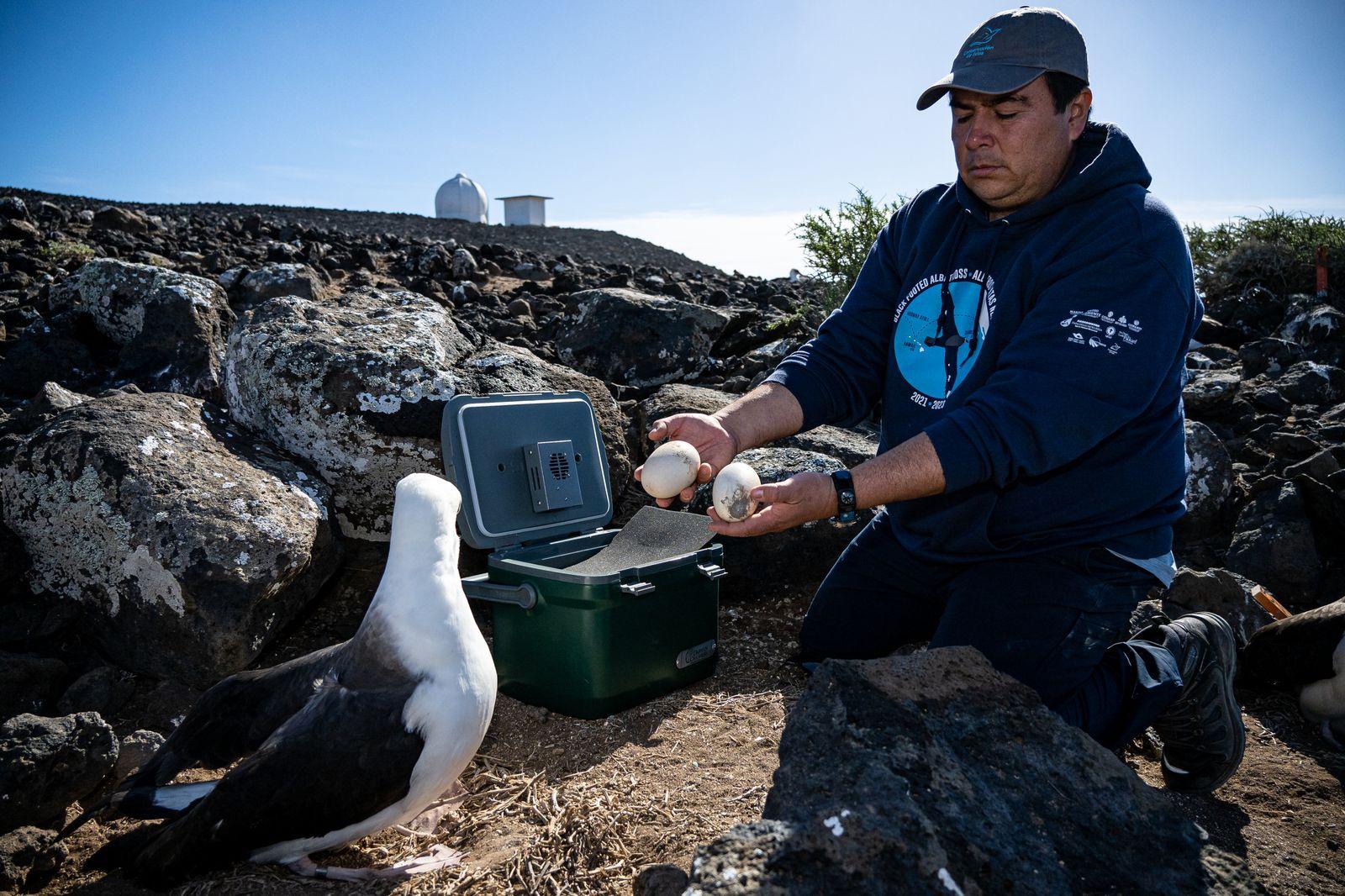
Scientists have reported a significant decline in harmful “forever chemicals” known as PFAS in seabird eggs following years of international environmental regulations and chemical restrictions. The findings are being seen as a major success story for global pollution control efforts and wildlife conservation.
PFAS, or per- and polyfluoroalkyl substances, are synthetic chemicals widely used in industrial products such as non-stick cookware, firefighting foams, waterproof fabrics, and food packaging. These chemicals are extremely persistent in the environment and can accumulate in wildlife and humans over long periods, leading to concerns about toxic health effects and ecosystem damage.
Researchers monitoring seabird colonies found that PFAS concentrations in eggs have dropped sharply in several regions after many countries introduced bans and tighter controls on the production and use of the chemicals. Scientists say seabirds are important indicators of ocean health because they accumulate pollutants through the marine food chain.
Despite the positive trend, experts warn that PFAS pollution remains a global concern because many older chemicals continue to persist in water, soil, and marine ecosystems. Newer replacement chemicals are also being closely studied for potential environmental risks. Researchers are urging governments to continue monitoring pollution levels and strengthen international cooperation to prevent further contamination.
The study highlights how coordinated environmental policies can successfully reduce dangerous pollutants and help protect both wildlife and human health.
News as reported