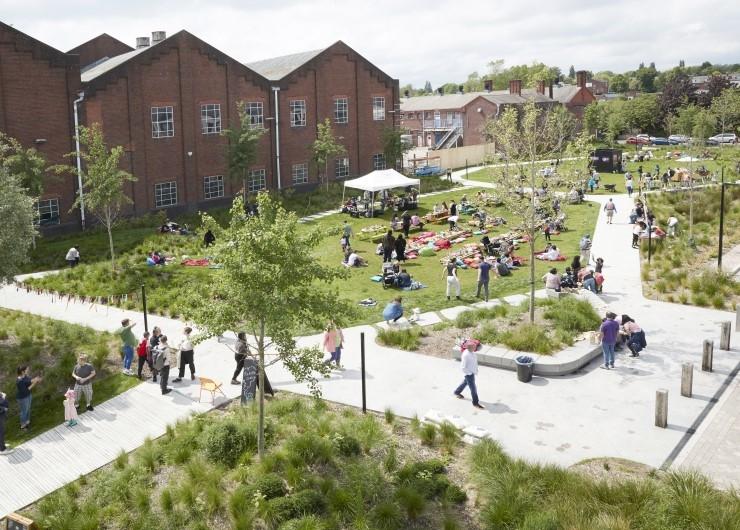
A new report has warned that some of England’s poorest communities could suffer the greatest loss of access to green spaces under proposed planning reforms. Environmental organizations and community groups argue that changes to development regulations may weaken protections for parks, woodlands, and other natural areas, particularly in neighborhoods that already have limited access to nature.
The report highlights a growing environmental inequality across England. Residents in disadvantaged urban areas often have fewer parks, trees, and natural spaces than those in wealthier communities. These green spaces play a vital role in improving physical and mental health, reducing air pollution, lowering urban temperatures, and providing habitats for wildlife.
Conservation experts fear that easing planning restrictions could accelerate the loss of local green areas as housing and infrastructure projects expand. While supporters of the reforms argue that they are needed to address housing shortages and stimulate economic growth, critics warn that development should not come at the expense of community well-being and biodiversity.
Environmental groups stress that access to nature is not a luxury but an essential public resource. Studies have shown that people living near parks and natural landscapes tend to experience better health outcomes, lower stress levels, and stronger community connections. The loss of such spaces could therefore have disproportionate impacts on vulnerable populations.
The report also notes that urban green spaces contribute to climate resilience by absorbing rainfall, reducing flood risks, and helping cities adapt to rising temperatures caused by climate change. Protecting these areas is increasingly important as extreme weather events become more frequent.
Conservation advocates are urging policymakers to ensure that future development plans balance economic needs with environmental protection, safeguarding green spaces for both people and wildlife. The findings underscore the importance of equitable access to nature and the need to prevent environmental inequalities from widening further.
News as reported