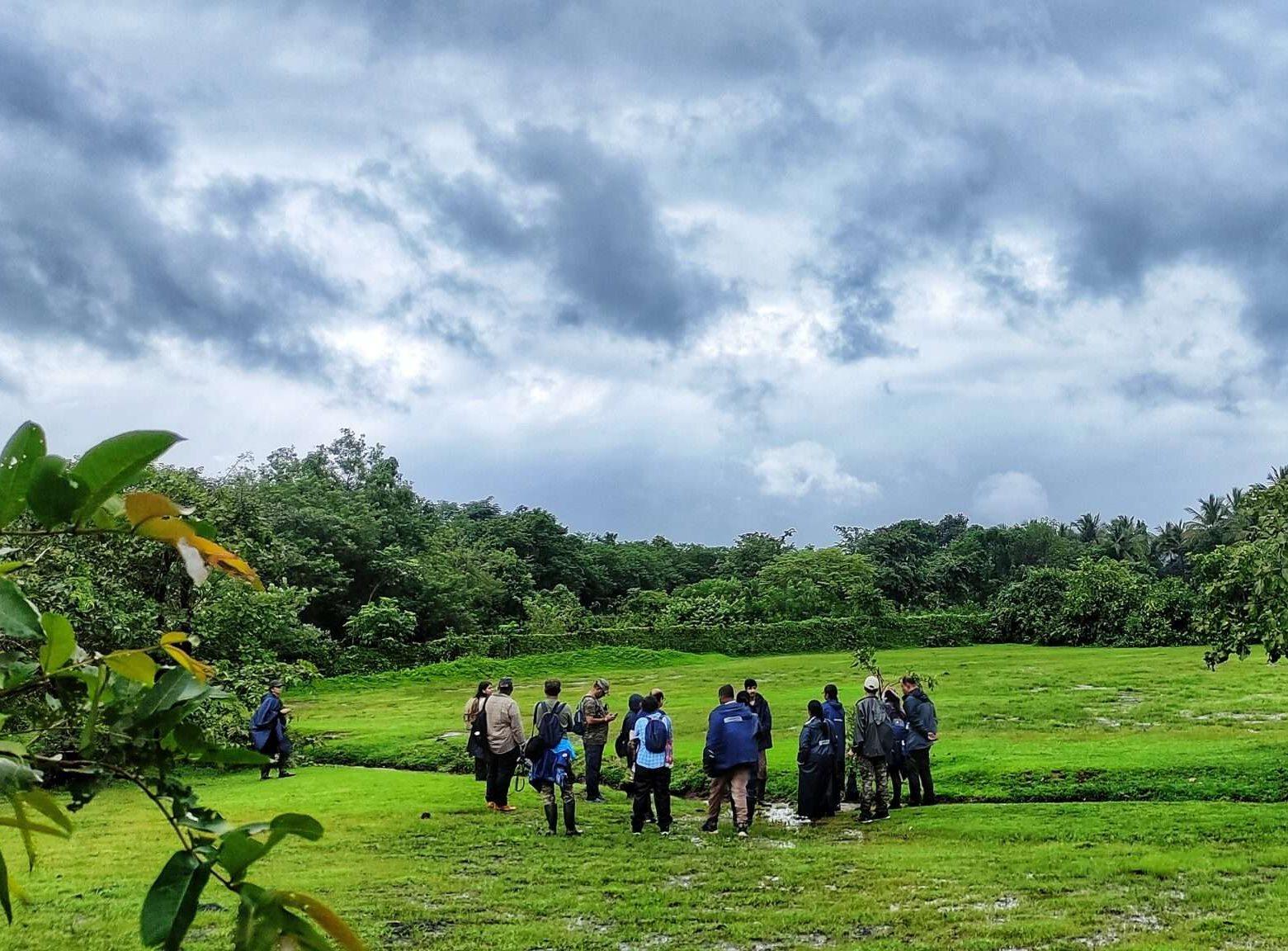
A recent scientific study has highlighted the remarkable biodiversity of Goa’s coastal plateau ecosystems, drawing attention to one of the state’s most overlooked natural habitats. These lateritic plateaus, found along Goa’s coastline and midland regions, support a rich variety of plants, insects, birds, amphibians, and other wildlife specially adapted to their unique environmental conditions.
Researchers found that these ecosystems are thriving with numerous species, including several that are endemic—meaning they occur nowhere else in the world. During the monsoon season, the plateaus transform into vibrant landscapes covered with seasonal wildflowers, grasses, and temporary freshwater pools that provide breeding grounds for many species.
Despite their ecological importance, coastal plateaus often receive less conservation attention than forests, wetlands, or beaches. Scientists warn that rapid urbanization, mining activities, infrastructure projects, and tourism-related development are placing increasing pressure on these fragile habitats. Habitat fragmentation and land-use changes could threaten many specialized species that depend on the plateaus for survival.
The study emphasizes that protecting these ecosystems is essential not only for biodiversity conservation but also for maintaining ecological services such as groundwater recharge, soil conservation, and climate resilience. Researchers are urging policymakers to recognize coastal plateaus as ecologically sensitive areas and adopt sustainable development practices to safeguard them for future generations.
The findings serve as a timely reminder that some of Goa’s richest natural treasures lie beyond its famous beaches, hidden within the unique lateritic plateaus that support an extraordinary diversity of life.
News as reported