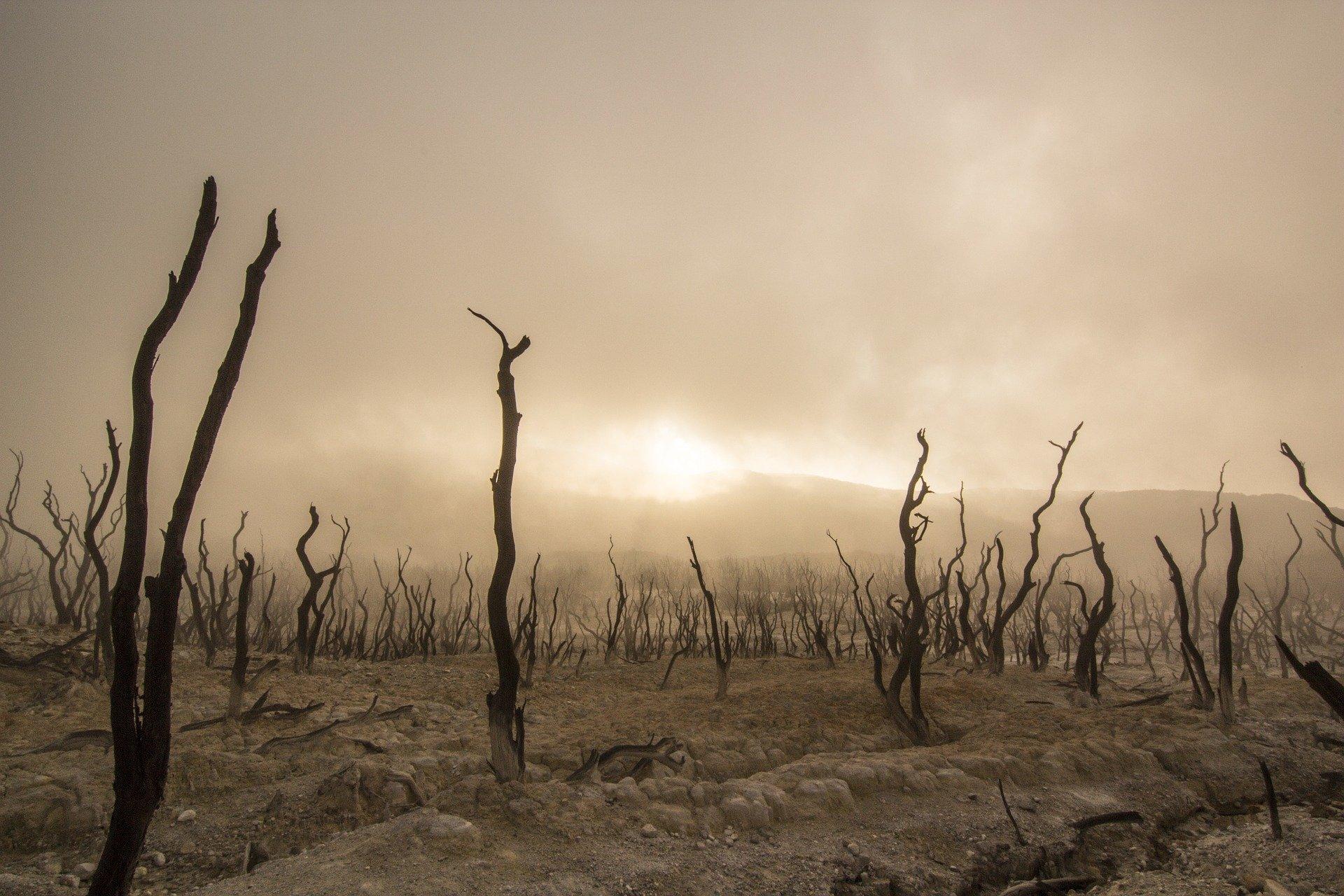
Scientists are warning that 2026 is witnessing unprecedented wildfire activity across several parts of the world as rising temperatures, prolonged droughts, and an emerging El Niño intensify fire risks. According to climate researchers, more than 150 million hectares of land have already burned globally between January and April — around 20% higher than previous records for the same period.
Africa and Asia have been among the worst-affected regions. Massive fires have spread across countries including India, Myanmar, Thailand, Laos, and parts of China, while severe drought and heatwaves have created ideal conditions for large-scale outbreaks. Scientists say climate change is increasing the frequency and intensity of extreme heat events, drying vegetation and turning forests and grasslands into highly flammable fuel.
Researchers from the World Weather Attribution group warn that the situation could worsen during the coming months as El Niño conditions strengthen, potentially triggering more severe droughts, heatwaves, and destructive fires across Australia, North America, the Amazon, and other vulnerable ecosystems. Experts also highlight growing health risks from wildfire smoke, biodiversity loss, crop damage, and disruptions to local livelihoods and economies.
Environmental experts are urging governments to improve wildfire preparedness, strengthen forest management, reduce greenhouse gas emissions, and invest in climate adaptation strategies to prevent increasingly catastrophic fire seasons in the future.
News as reported