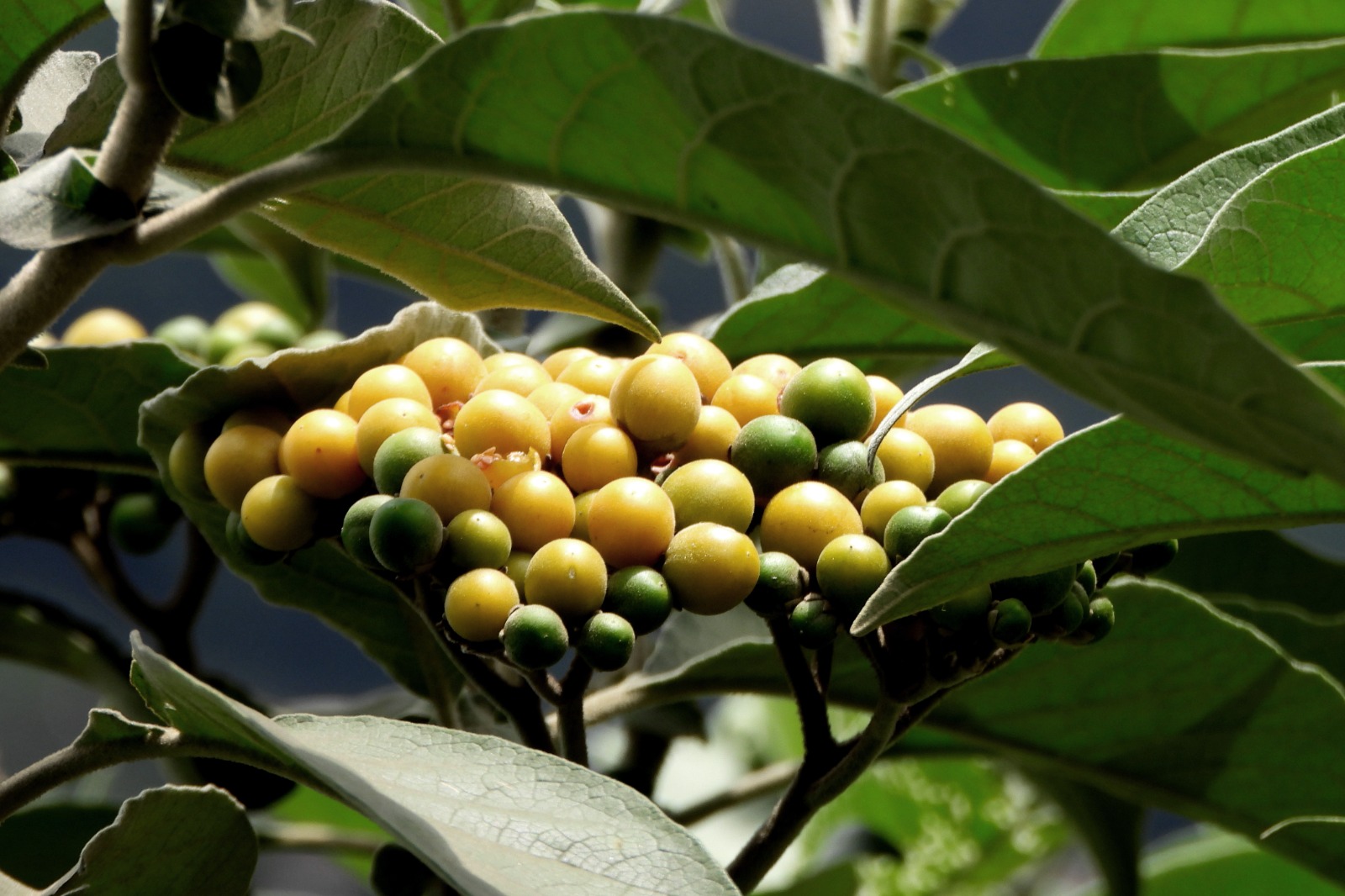
Environmental authorities are drawing renewed attention to Solanum mauritianum, commonly known as woolly nightshade, as the South American shrub continues to spread across several regions and raise concerns about its ecological and potential health impacts.
The plant, also known as bugweed, wild tobacco, flannel weed, and tobacco bush, has become a widely recognized invasive species in parts of Oceania, Africa, and other temperate regions. Its rapid growth and ability to establish dense stands can outcompete native vegetation, alter habitats, and complicate land management efforts.
Woolly nightshade contains alkaloid compounds including solasodine, solauricine, solauricidine, and solasodamine. Various sources have reported that all parts of the plant may be poisonous to humans, with some accounts alleging fatalities linked to berry consumption. These reports have prompted strict control measures in certain countries.
In New Zealand, it is illegal to sell, propagate, or distribute any part of the plant. South Africa has introduced biological control methods to help manage its spread.
Despite its invasive status, the plant also serves as a food source for several bird species, including the African olive pigeon and Cape bulbul. Some scientific authorities have also noted that certain animals consume the fruit without documented harmful effects, highlighting ongoing debate over its toxicity profile.
Vincent Vanur