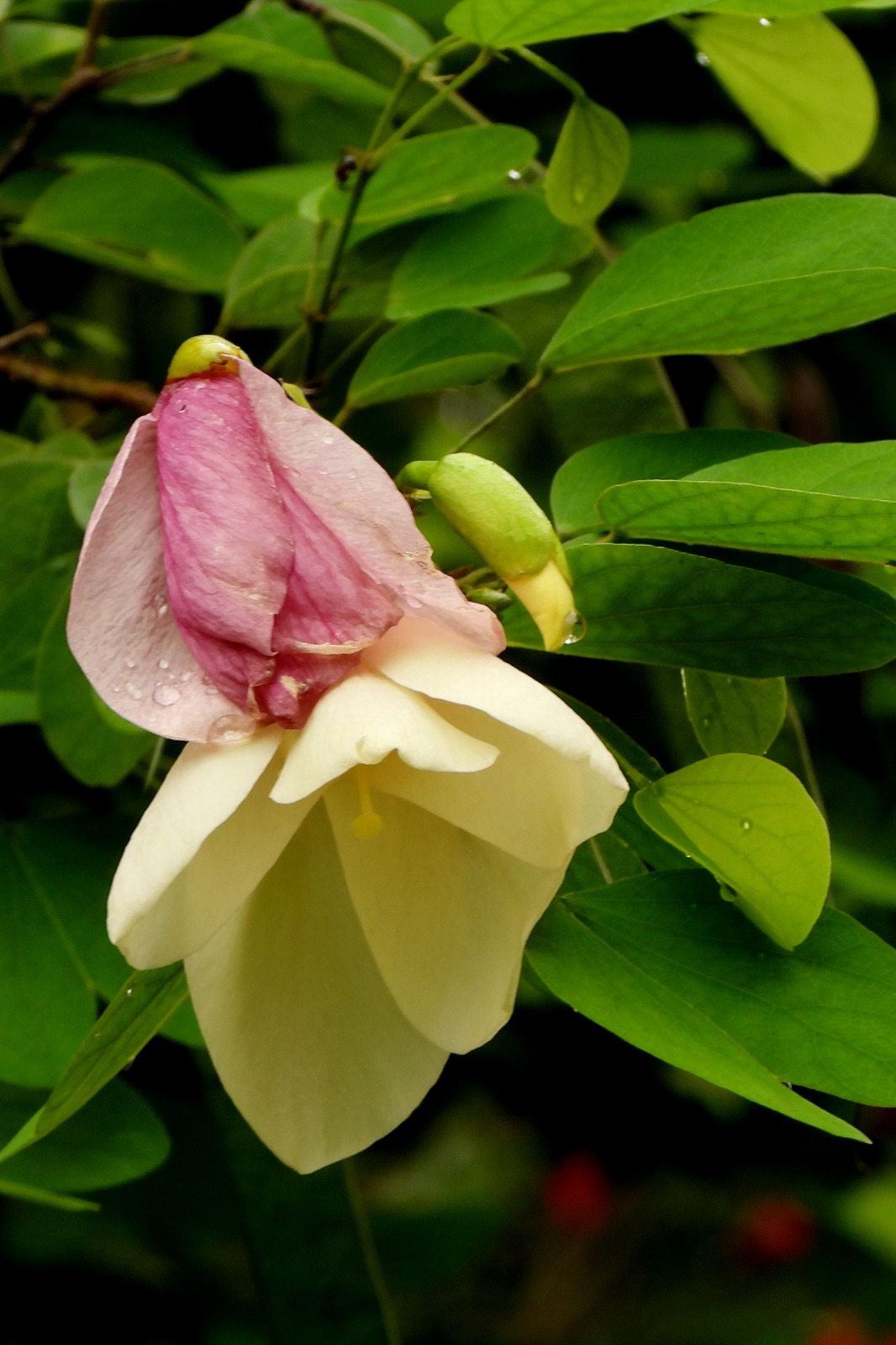
commonly known as yellow bauhinia or yellow bell orchid tree — is drawing renewed attention for its ecological importance and traditional medicinal uses. A member of the Fabaceae family, the species is native to Africa, India, and Sri Lanka.
The plant was first recorded by the renowned Swedish biologist and physician Carl Linnaeus (1707–1778). The genus name Bauhinia honors brothers Johann Bauhin and Caspar Bauhin, botanists and herbalists who settled in Basel, Switzerland. The species name tomentosa, meaning “hairy,” refers to the plant’s velvety hairy pods.
is admired for its drooping, bell-shaped lemon-yellow flowers, often marked with a dark maroon patch at the base. As the flowers age, they develop reddish-brown veins. Rich in nectar, they attract bees, butterflies, and small birds, making the plant valuable for local pollination and biodiversity.
In traditional medicine, various parts of the plant are used to treat dysentery, diarrhoea, inflamed glands, abscesses, and skin conditions. Scientific studies have also reported in vitro antimicrobial activity in root extracts against Gram-positive bacteria, supporting ongoing interest in its medicinal potential.
Vincent Vanur