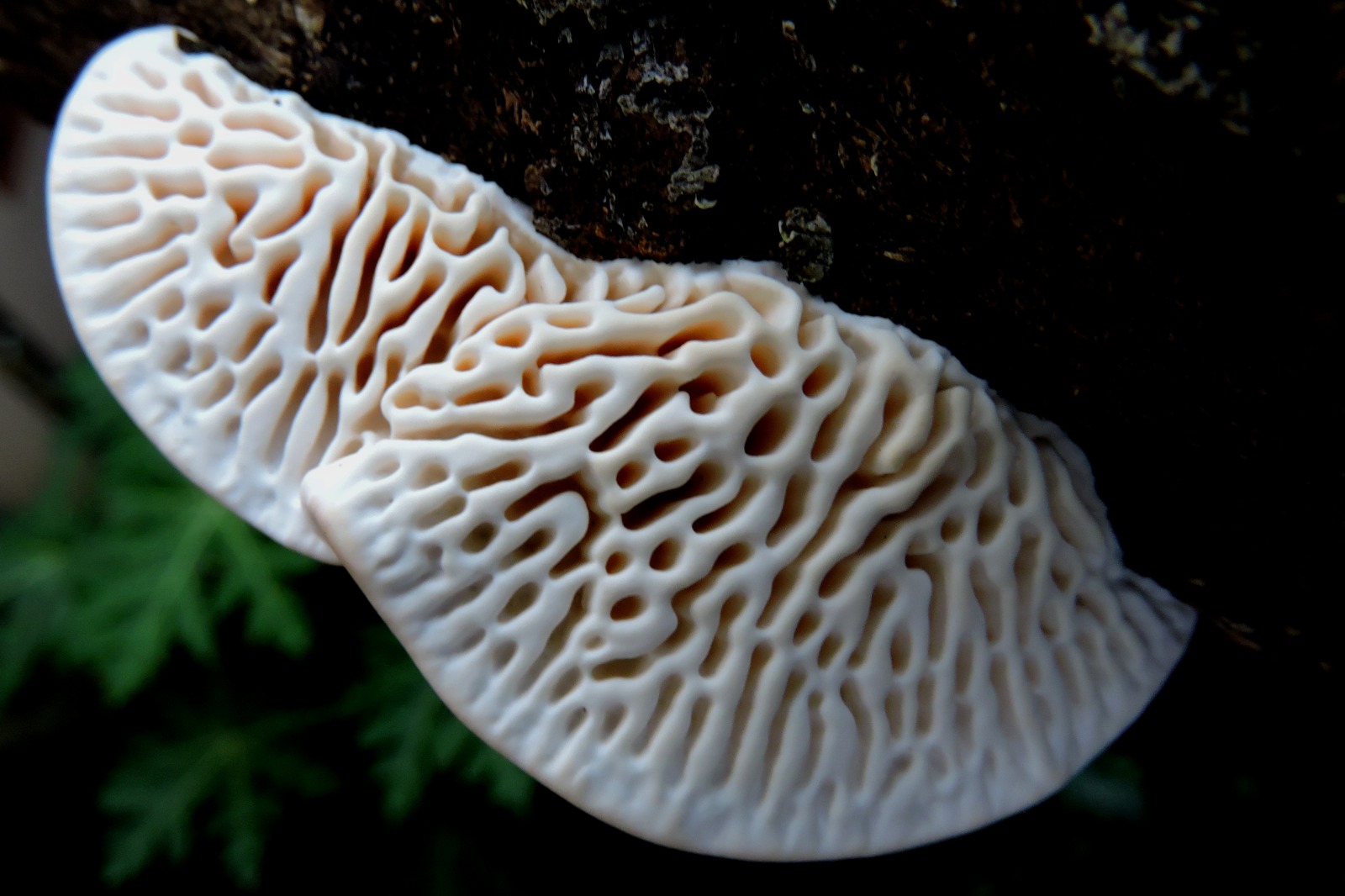
The oak mazegill fungus, Fomitopsis quercina, has gained renewed attention among mycologists and environmental researchers due to its recent taxonomic reclassification and promising biochemical properties.
Formerly known as Daedalea quercina, the species was transferred to the genus Fomitopsis in 2024 following molecular phylogenetic studies by mycologists Viacheslav Spirin and Otto Miettinen of the University of Helsinki. The fungus is commonly found on oak trees, and its species name, quercina, refers to the oak genus Quercus.
Although the mushroom is considered inedible because of its tough texture, historical records indicate that its fruiting bodies were once used as natural grooming combs for horses with sensitive skin. In England, smoldering fruit bodies were reportedly used to anesthetize bees.
Researchers are particularly interested in Fomitopsis quercina because it produces bioactive compounds and enzymes with potential practical applications. Quercinol, a compound isolated from the fungus, has shown anti-inflammatory activity and has been reported to inhibit enzymes such as cyclooxygenase-2 and xanthine oxidase. Additionally, the enzyme laccase, purified from the fungus, has demonstrated potential in biodegrading toxic dyes and pigments, highlighting its possible role in environmentally friendly waste treatment technologies.
-Vincent Vanu