KOCHI — A newly published multi-institutional study has found that human-created environments in Ernakulam and other parts of Kerala are significantly increasing the diversity of mosquito species capable of spreading diseases, raising fresh public health concerns.
The research, carried out across five districts including Ernakulam, Thiruvananthapuram, Pathanamthitta, Idukki and Wayanad, shows that artificial or anthropogenic habitats such as discarded tyres, plastic buckets, latex collection cups and other waste containers are serving as major mosquito breeding sites. These artificial environments accounted for about 77.7 % of identified mosquito species, compared with about 22.3 % in natural habitats.
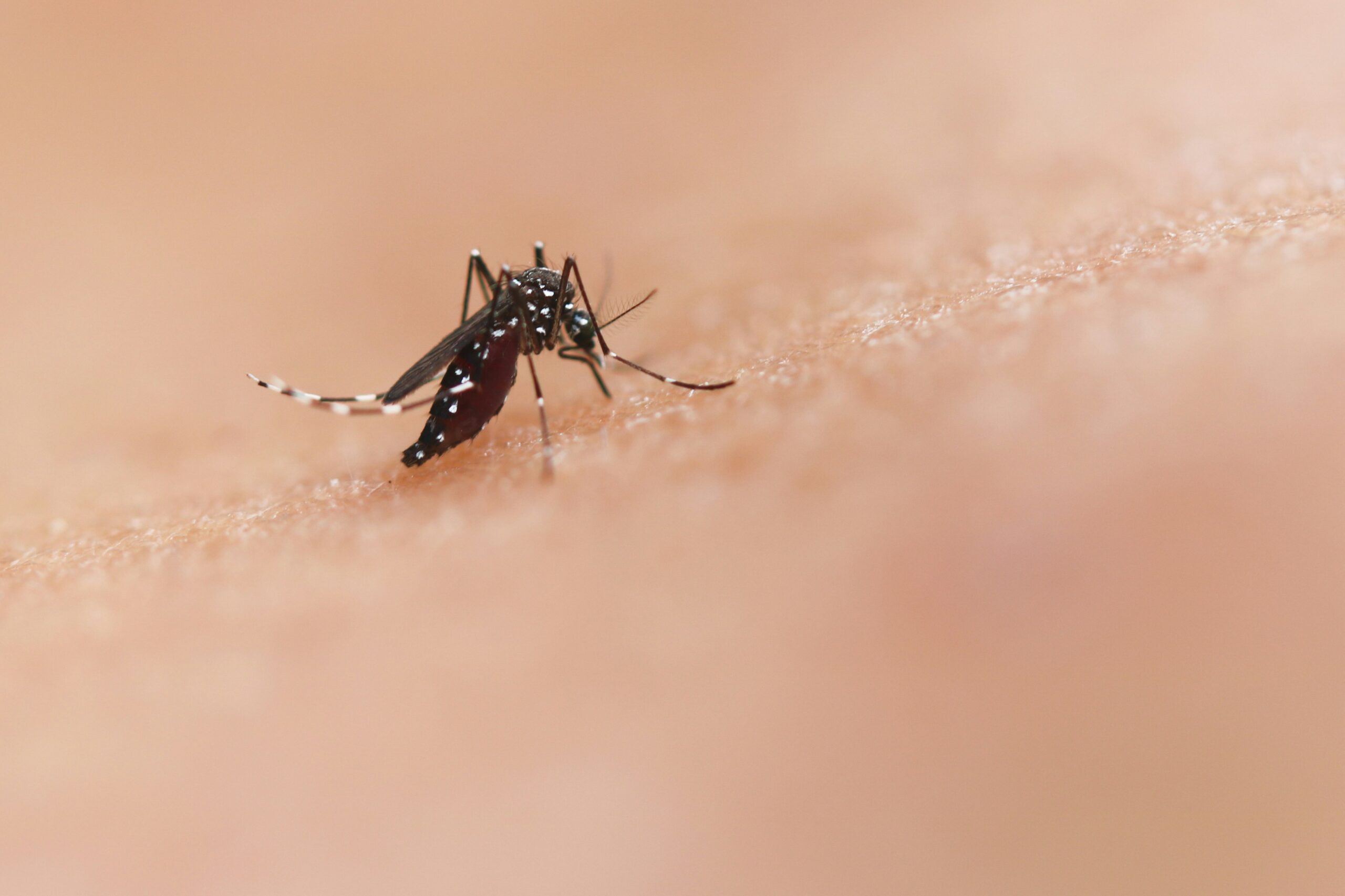
Among the key species thriving in these man-made habitats is Stegomyia albopicta, a mosquito known to transmit dengue, Zika, and chikungunya viruses. The species demonstrated a high level of adaptability, breeding in more than 70 different kinds of locations associated with human activity.
Health experts say the findings underline how poor solid waste management and urban conditions can directly affect public health. Kerala’s humid tropical climate already favours mosquito proliferation, and the abundance of artificial breeding grounds may worsen seasonal disease outbreaks, officials warn.
Residents in parts of Kochi, such as Pachalam, report frequent mosquito infestations around household waste piles and littered areas, with many expressing concern about the growing risk of infections. “We fear major illnesses because there are mosquitoes everywhere,” a local resident said.
Public health authorities emphasize community action and improved waste management as critical steps in controlling breeding sites. Plans to map disease hotspots and intensify vector control efforts at the local body level are underway, as officials urge citizens to eliminate standing water and waste that attract mosquito breeding.
The study’s findings are part of a broader push to understand the ecological drivers of mosquito populations and their implications for disease spread in Kerala and beyond.
News as reported