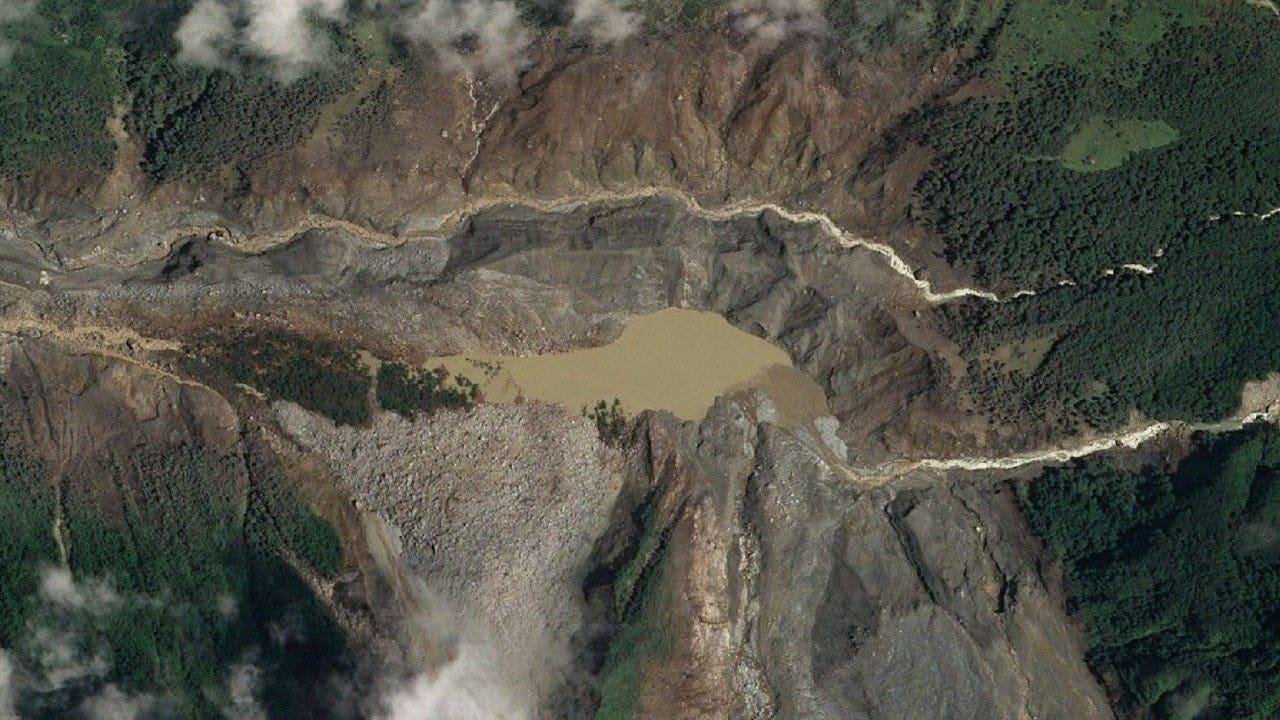
A new scientific assessment released on September 17, 2026, has found that climate change likely contributed to the devastating glacier and rock collapse that triggered catastrophic flooding across parts of Nepal and Tibet in late August. Scientists from the World Weather Attribution (WWA) group said decades of rising temperatures had weakened the Himalayan mountain environment, making such a collapse more likely.
The disaster occurred on August 26, when a massive section of rock and glacier ice collapsed near the Nepal–China border. The resulting torrent of water, ice, rocks and sediment swept through downstream communities and infrastructure. Nearly 1,400 people have been confirmed dead, while thousands remain missing.
Researchers found that warming temperatures have contributed to glacier thinning and the thawing of permafrost, the permanently frozen ground that helps stabilize high-altitude slopes. The freezing level in the region has also been rising, exposing mountain rock to longer periods of above-freezing temperatures.
Scientists stressed that climate change was not the sole cause of the collapse. Geological factors, including the possible influence of the 2015 Nepal earthquake, may also have weakened the mountain slope over time. However, the assessment indicates that long-term warming created conditions that increased the vulnerability of the Himalayan landscape.
News as reported