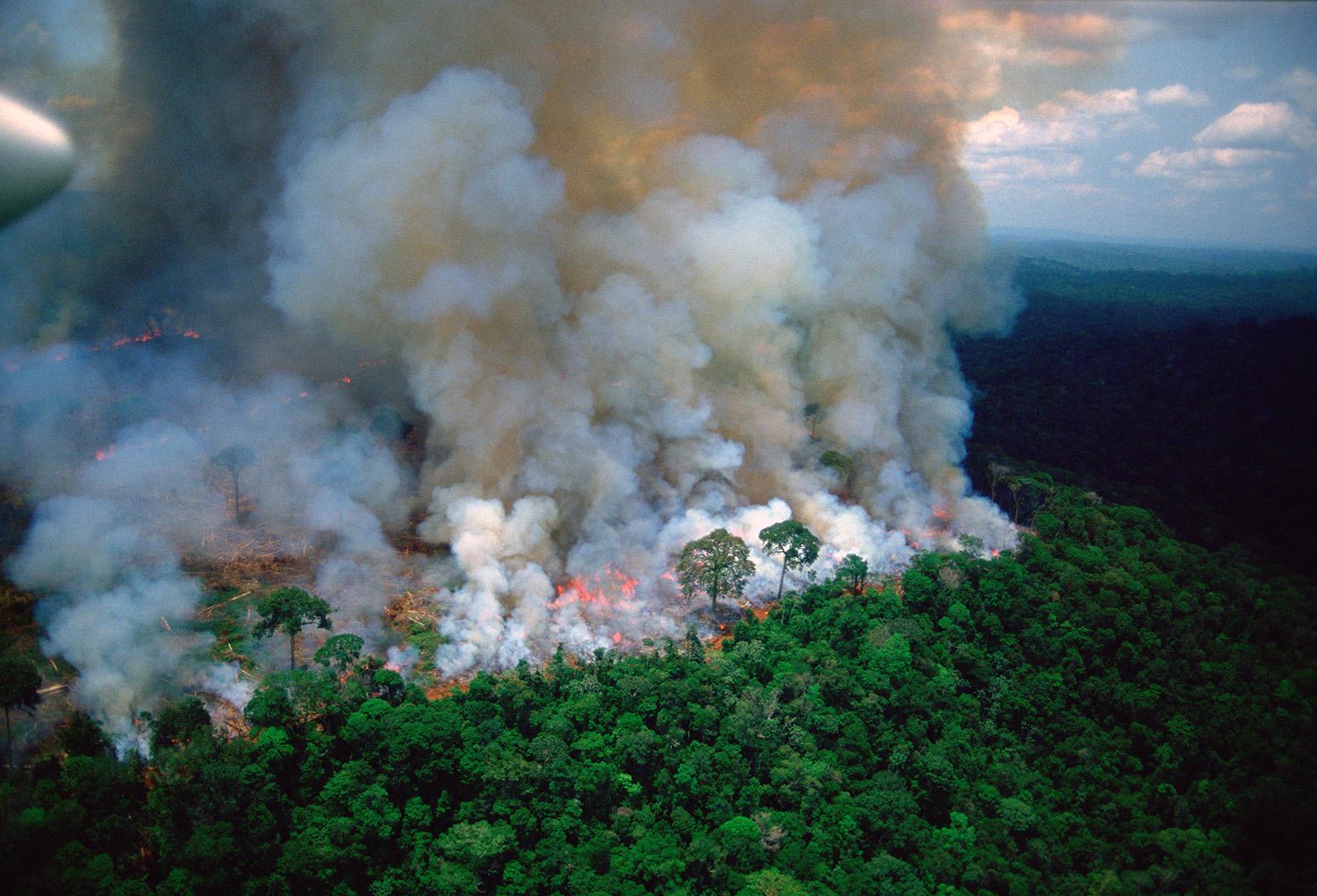
Environmental experts are warning that Brazil’s Amazon rainforest continues to face severe ecological damage despite recent declines in official deforestation rates. Scientists say that forest degradation caused by wildfires, drought, illegal logging, and infrastructure expansion is increasingly weakening large areas of the world’s largest tropical rainforest.
According to researchers, degradation differs from deforestation because damaged forests may still appear standing while gradually losing their ecological health and biodiversity. Frequent fires, rising temperatures, and prolonged dry seasons linked to climate change are reducing the Amazon’s ability to recover naturally. Experts warn that repeated disturbances can transform dense rainforests into dry and degraded landscapes over time.
Illegal logging and road construction are also fragmenting habitats and opening previously untouched forests to human activity. Conservationists say these disturbances threaten thousands of plant and animal species while disrupting the Amazon’s role in regulating global climate and rainfall systems. Scientists further caution that degraded forests store less carbon and may eventually release more carbon dioxide into the atmosphere, accelerating global warming.
Environmental organizations are urging stronger enforcement against illegal activities, restoration of damaged ecosystems, and greater international cooperation to protect the Amazon. Researchers stress that reducing deforestation alone is not enough unless forest degradation is also addressed through long-term conservation and climate strategies
News as reported