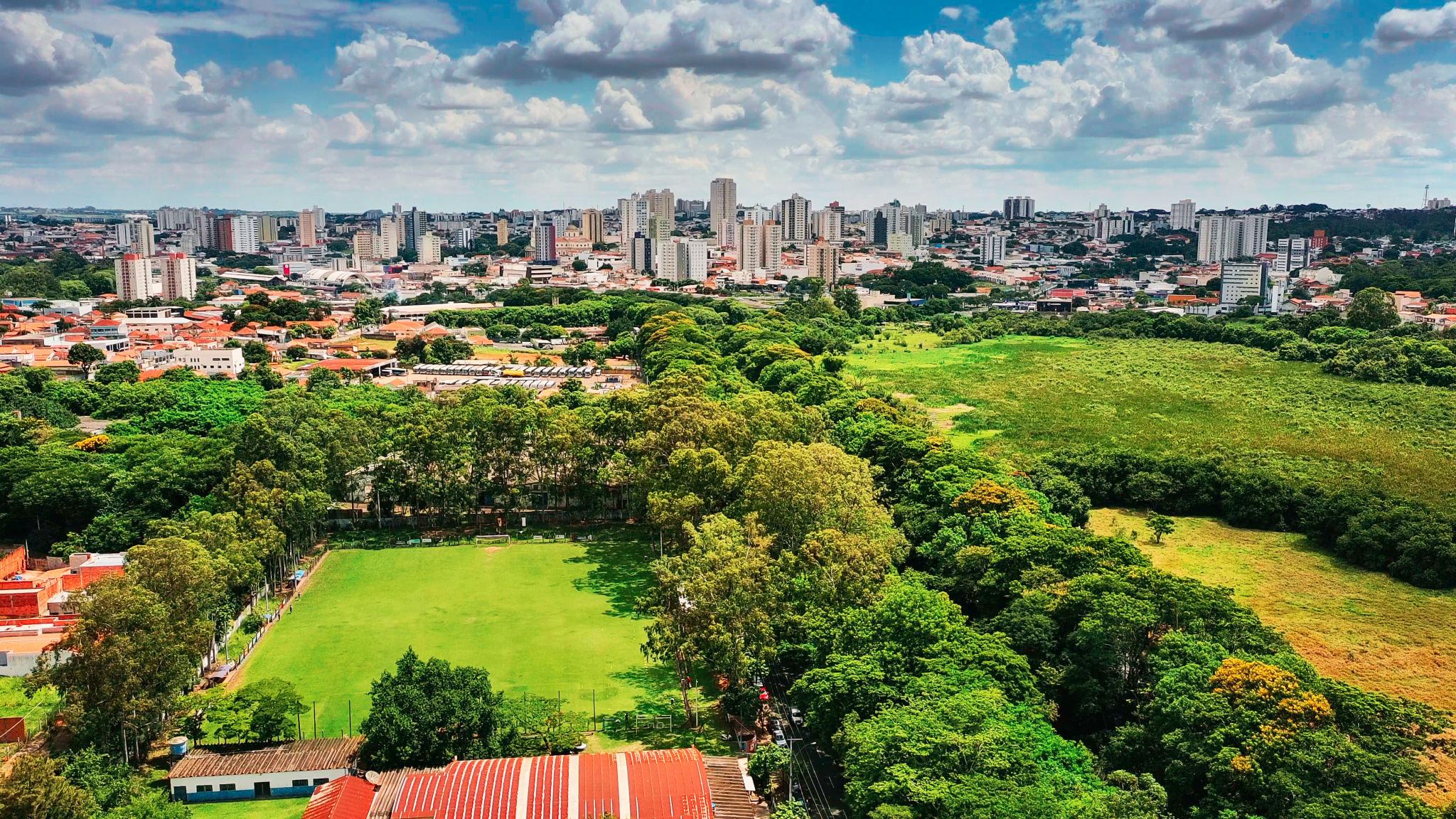
As global temperatures continue to rise, urban forests are increasingly being recognized as one of the most effective natural solutions for reducing heat in cities. Comprising trees, shrubs, and green spaces within urban areas, these forests help counter the “urban heat island” effect, a phenomenon in which cities become significantly warmer than surrounding rural regions due to concrete surfaces, buildings, and human activities.
Trees cool cities through shade and evapotranspiration, a process in which water released from leaves lowers surrounding air temperatures. Studies have shown that neighborhoods with abundant tree cover can be several degrees cooler than areas with little vegetation. This cooling effect not only improves comfort for residents but also reduces energy consumption by lowering the demand for air conditioning.
Urban forests provide numerous additional environmental benefits. They absorb carbon dioxide, helping mitigate climate change, while also filtering pollutants from the air and improving overall air quality. Green spaces support birds, insects, and other wildlife, creating pockets of biodiversity within densely populated areas.
Many cities around the world are expanding tree-planting initiatives and protecting existing green spaces as part of climate adaptation strategies. Experts emphasize that careful planning is essential to ensure the selection of native species, adequate maintenance, and equitable distribution of green spaces across communities.
News as reported