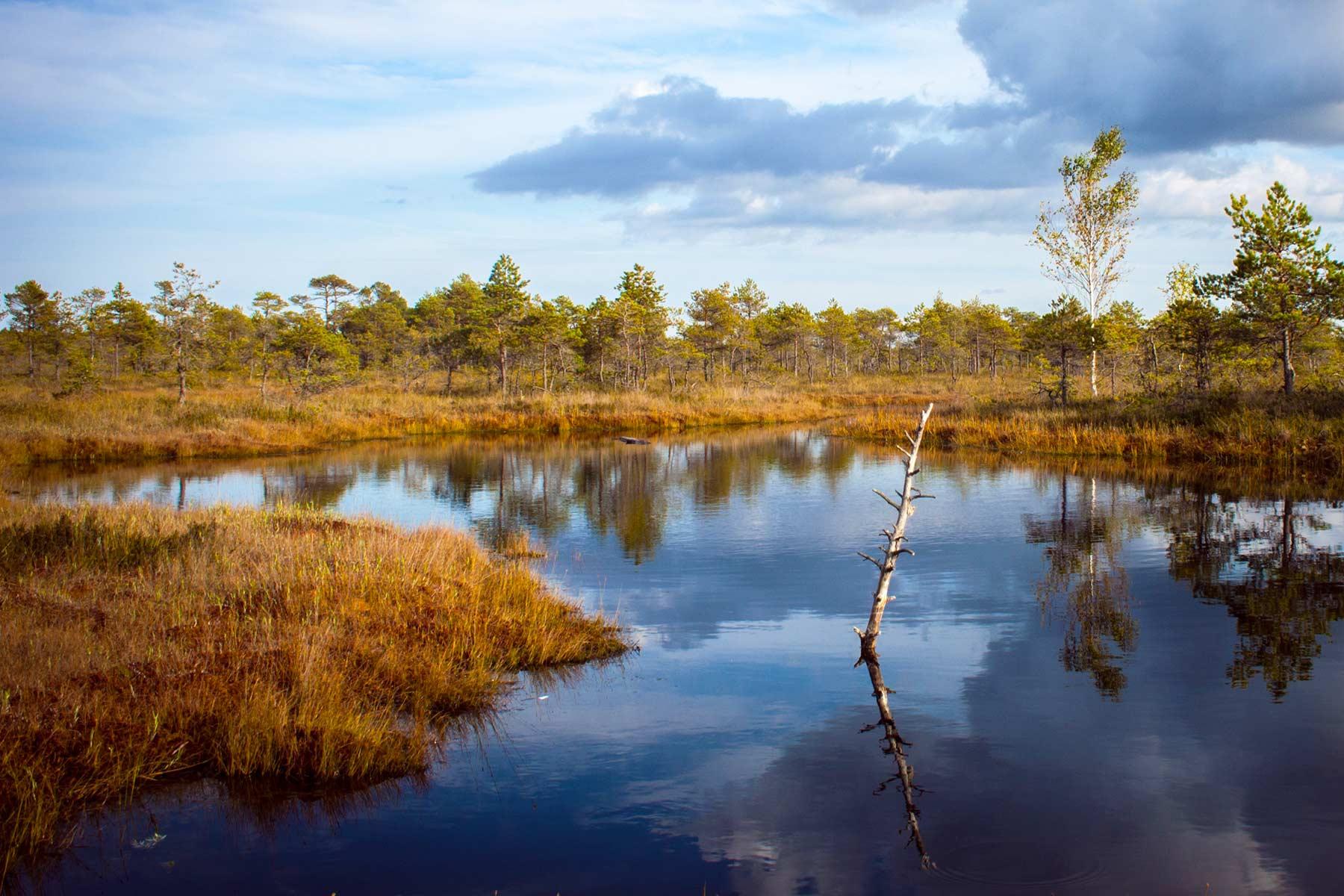
Across the world, communities are playing a crucial role in restoring degraded wetlands, bringing new life to ecosystems that were once threatened by pollution, drainage, and unsustainable land use. These restoration efforts are demonstrating how local participation can significantly improve environmental health while benefiting nearby communities.
Wetlands are among the planet’s most productive ecosystems. They act as natural water filters, reduce flooding, recharge groundwater, store carbon, and provide habitat for countless species of plants, fish, birds, amphibians, and insects. However, many wetlands have been damaged or lost due to urban expansion, agriculture, and industrial activities.
In recent years, community groups, conservation organizations, and local governments have collaborated to restore these valuable habitats. Activities such as removing invasive species, replanting native vegetation, restoring natural water flow, and reducing pollution have helped wetlands recover their ecological functions.
As wetlands regenerate, wildlife often returns remarkably quickly. Scientists have documented increases in bird populations, aquatic species, pollinators, and native plants in restored areas. These improvements strengthen biodiversity and enhance ecosystem resilience against climate change.
Beyond ecological benefits, restored wetlands provide educational, recreational, and economic opportunities for local residents. They also improve water quality and help protect communities from floods and droughts.
Environmental experts highlight community involvement as a key factor in long-term restoration success. By combining local knowledge with scientific expertise, these projects are creating healthier landscapes and demonstrating that collective action can make a meaningful difference in conserving nature.
News as reported