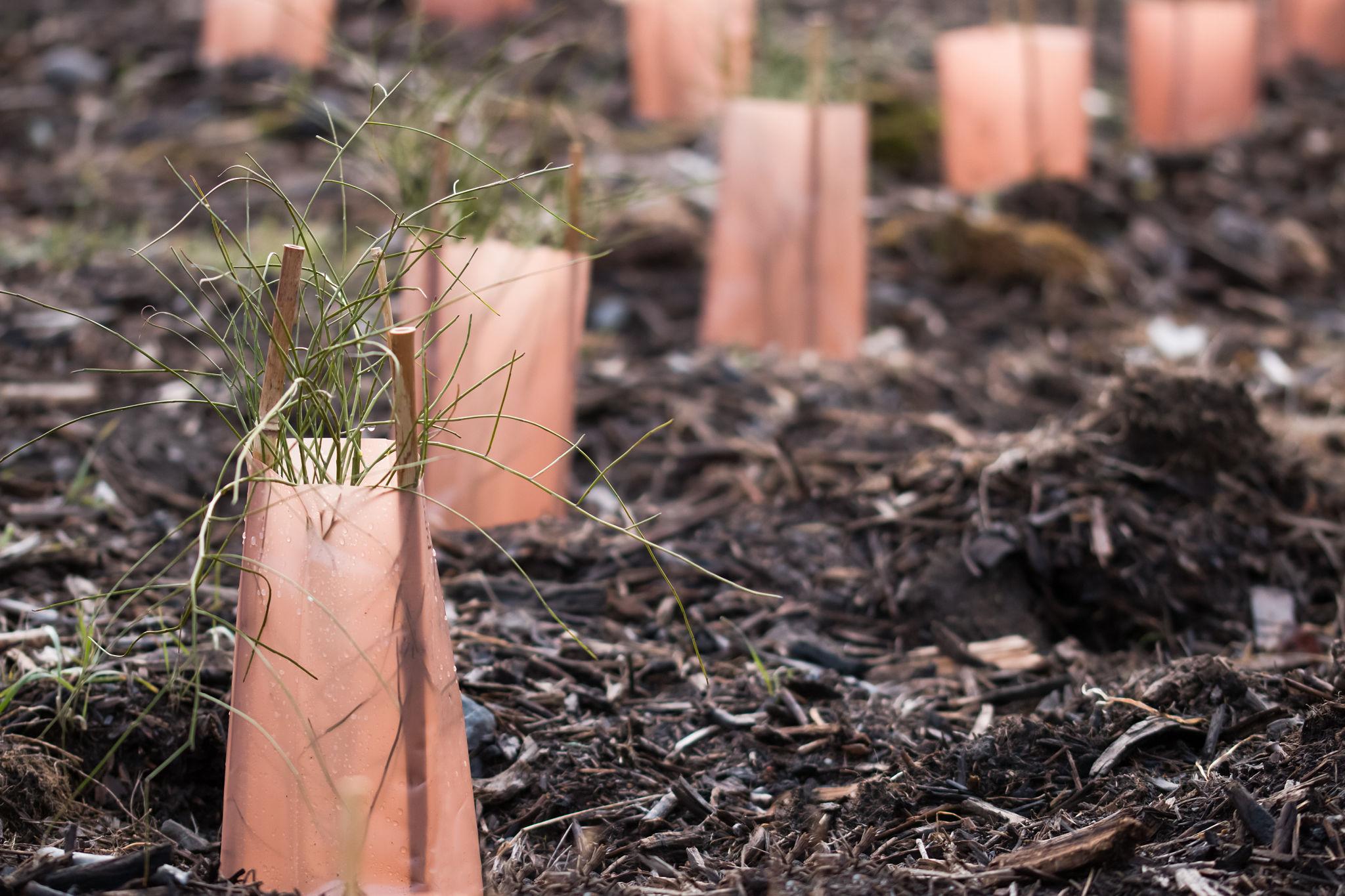
Scientists are increasingly emphasizing the importance of native plants in restoring damaged ecosystems and supporting biodiversity. As habitat loss, invasive species, and climate change continue to affect natural environments, the use of native vegetation has emerged as a key strategy for ecological recovery.
Native plants are species that have evolved naturally in a particular region over thousands of years. Because they are adapted to local soils, climate conditions, and wildlife, they form the foundation of healthy ecosystems. These plants provide food, shelter, and breeding habitats for a wide variety of insects, birds, mammals, and other organisms.
Research has shown that restoring native plant communities can significantly improve ecosystem resilience. Native vegetation helps stabilize soil, reduce erosion, improve water quality, and support pollinators such as bees and butterflies. In many cases, areas replanted with native species experience faster recovery of wildlife populations than those dominated by non-native plants.
Scientists also note that native plants often require less irrigation, fertilizer, and maintenance than introduced species, making them a sustainable option for conservation projects and urban landscaping. Their deep root systems can enhance carbon storage and help landscapes withstand droughts and extreme weather events.
Governments, conservation organizations, and local communities around the world are increasingly incorporating native plants into restoration initiatives. From forests and grasslands to wetlands and urban green spaces, these efforts are helping rebuild ecological connections and strengthen biodiversity.
Experts believe that protecting and restoring native plant populations will remain essential for ecosystem recovery and environmental sustainability in the years ahead.
News as reported