

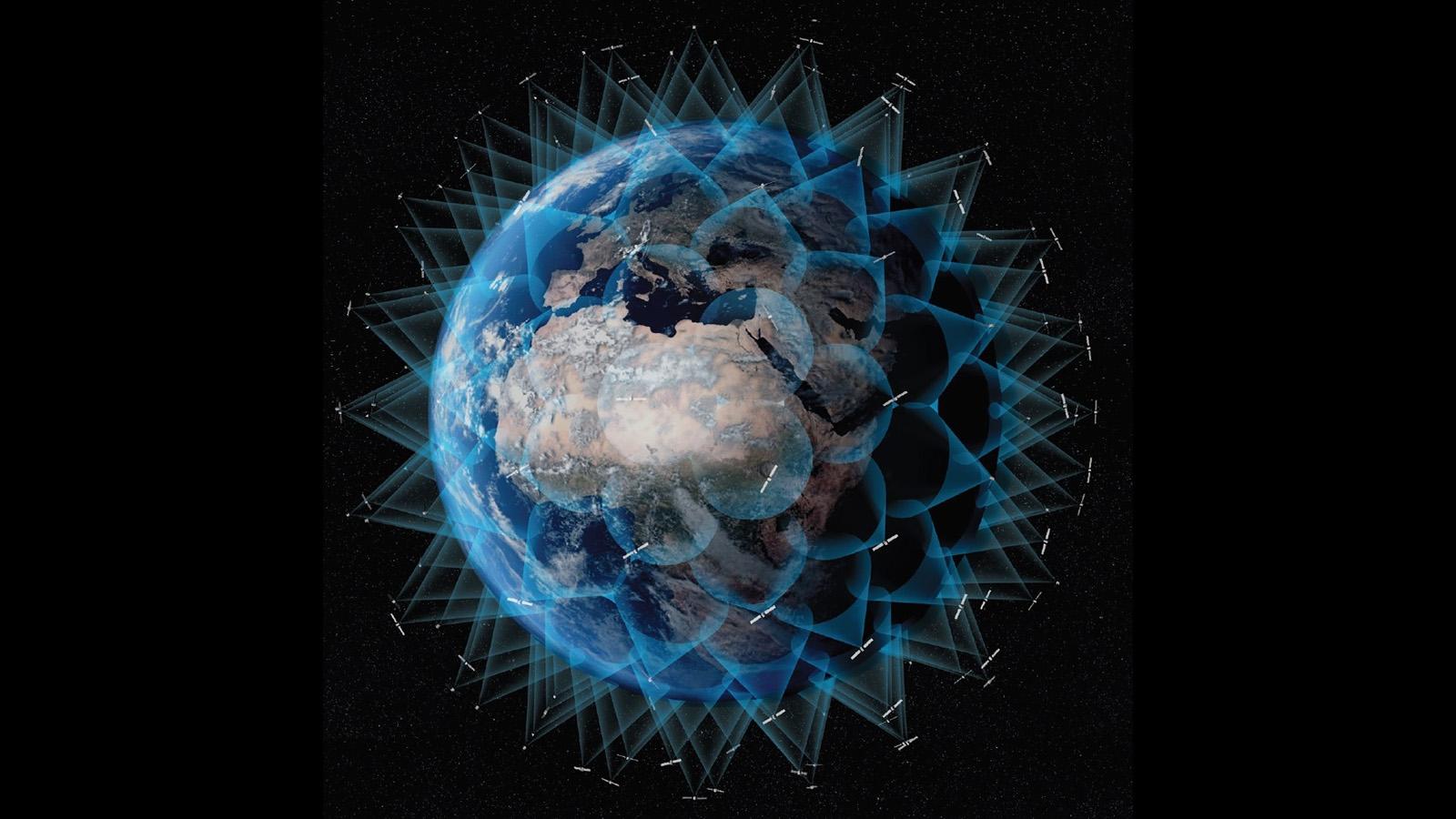
Scientists are raising concerns that rapidly expanding satellite megaconstellations could unintentionally become a large-scale “unregulated geoengineering experiment” with potential impacts on Earth’s atmosphere and climate systems. Researchers warn that the growing number of rocket launches and satellite re-entries may contribute to atmospheric pollution, ozone depletion, and long-term environmental risks.
Companies and space agencies worldwide are launching thousands of satellites to improve global internet coverage, communication systems, and Earth observation technologies. However, scientists say the environmental consequences of this rapid expansion remain poorly understood. Rocket launches release black carbon, nitrogen oxides, and other pollutants into the upper atmosphere, where they can influence atmospheric chemistry and potentially damage the ozone layer.
Researchers are also concerned about satellites burning up during re-entry. As satellites disintegrate in the atmosphere, they release metallic particles such as aluminum oxides that may accumulate over time and affect atmospheric processes. Some experts fear these emissions could alter temperature patterns and atmospheric circulation if satellite activity continues increasing rapidly.
Environmental researchers are calling for stronger international regulations, environmental impact assessments, and long-term monitoring of the space industry’s effects on Earth’s atmosphere. They stress that while satellite technology provides major benefits, environmental safeguards are needed to ensure that expanding space activities do not create unintended global ecological consequences.


- upgraderz.aws@gmail.com
- upgraderz.aws@gmail.com
- upgraderz.aws@gmail.com
- upgraderz.aws@gmail.com