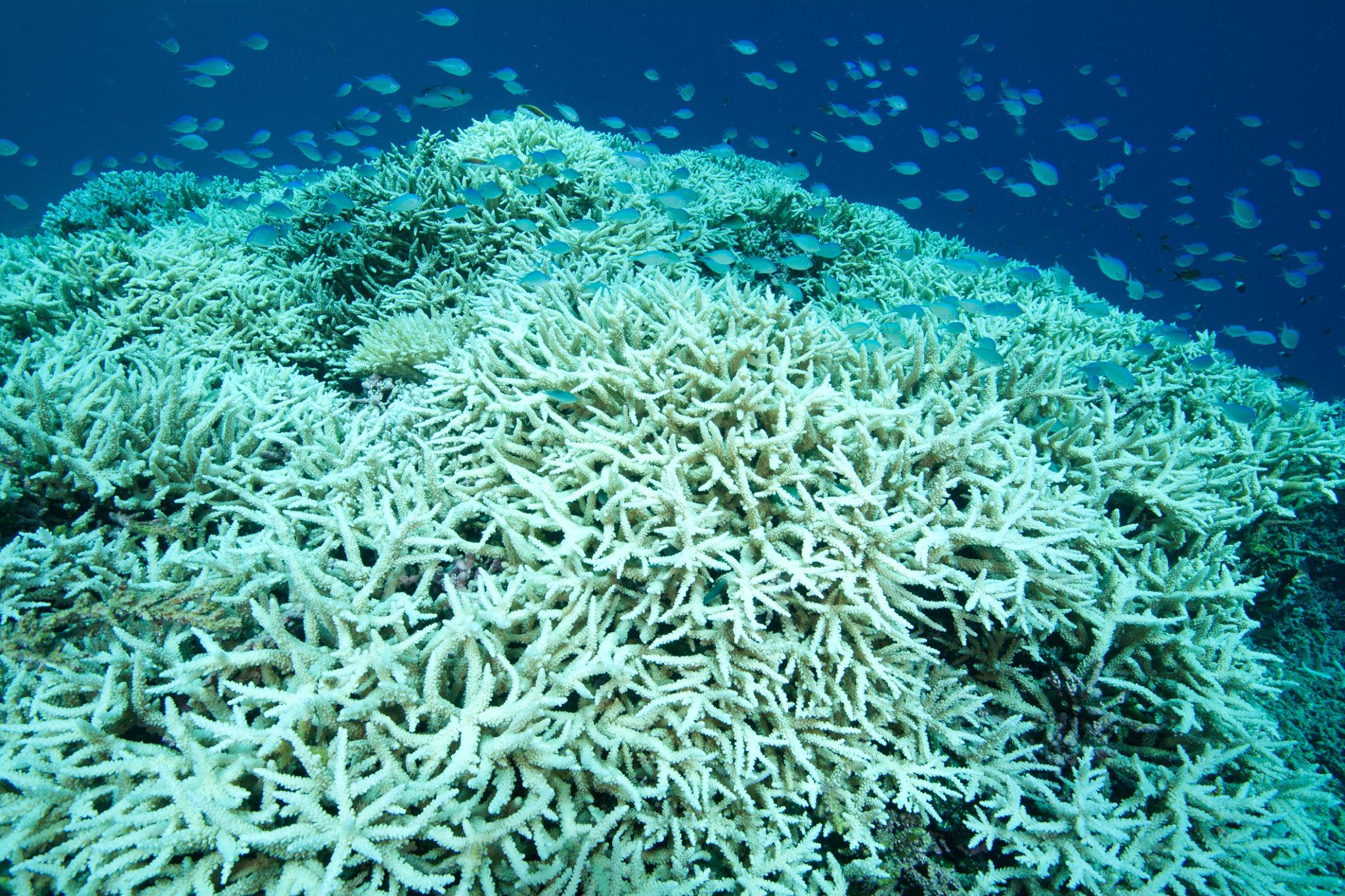
Researchers have warned that marine heatwaves in the Indian Ocean and the Arabian Sea are becoming increasingly frequent and severe due to climate change, posing major threats to marine ecosystems, fisheries, and coastal communities. Scientists say rising ocean temperatures are intensifying coral bleaching events, reducing marine biodiversity, and increasing fish mortality across vulnerable regions.
Marine heatwaves occur when sea surface temperatures remain abnormally high for extended periods. Experts note that the Indian Ocean has warmed rapidly in recent decades, with the Arabian Sea emerging as one of the fastest-warming ocean regions in the world. Warmer waters place severe stress on coral reefs, causing corals to expel the algae they depend on for survival, leading to widespread bleaching and ecosystem decline.
Researchers warn that prolonged ocean warming could disrupt fish breeding and migration patterns, threatening food security and livelihoods for millions dependent on fishing industries. The warming seas are also linked to stronger cyclones, heavier rainfall, and other extreme weather events affecting countries around the Indian Ocean basin.
Scientists are calling for urgent global reductions in greenhouse gas emissions alongside stronger marine conservation measures. They stress that protecting coral reefs and coastal ecosystems is essential for preserving biodiversity, supporting fisheries, and improving resilience against climate-related disasters.
News as reported