

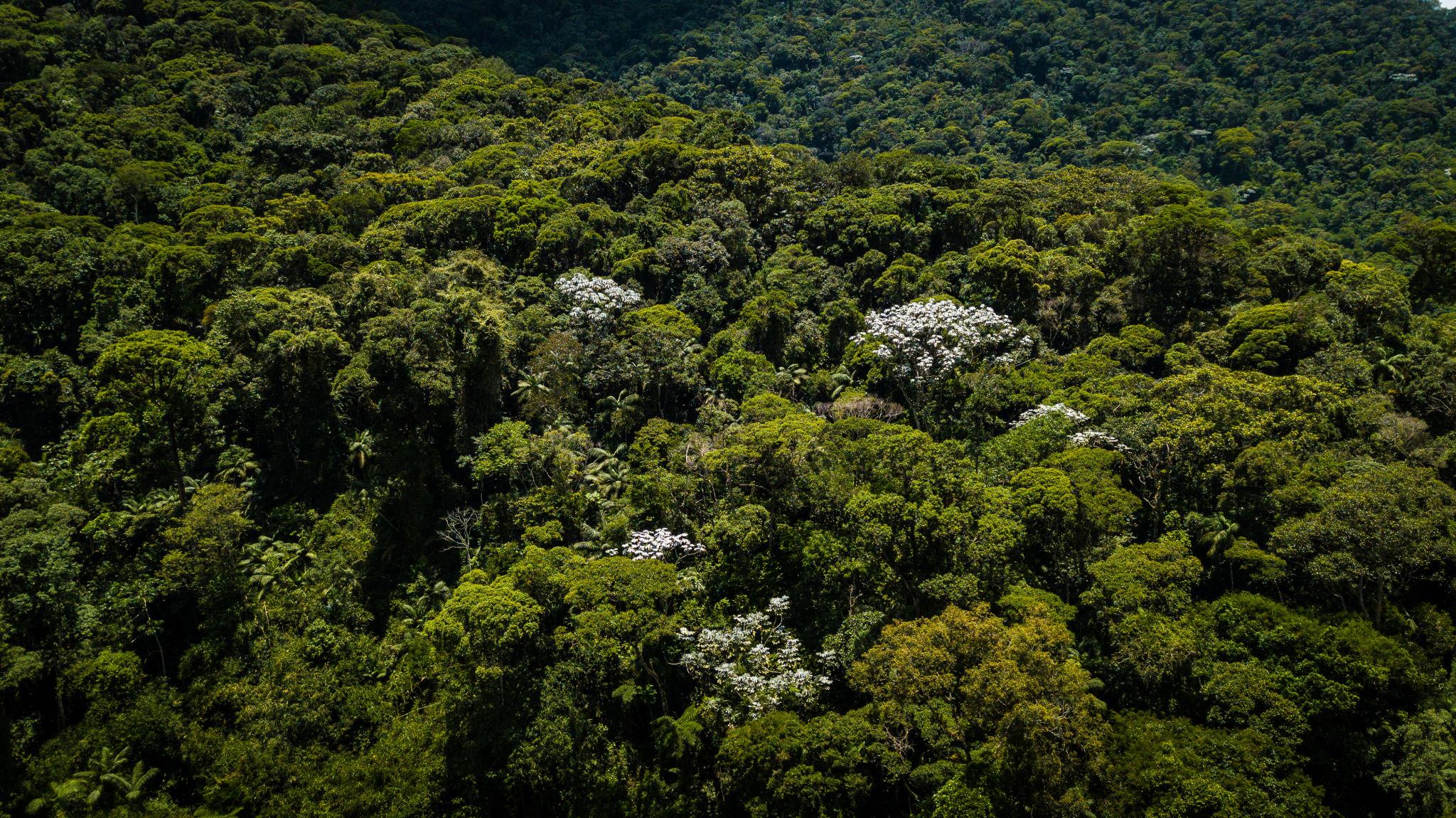
Brazil’s Atlantic Forest has recorded its lowest deforestation level in nearly 40 years, marking a significant milestone for conservation efforts in one of the world’s most threatened biodiversity hotspots. Environmental organizations and researchers say stronger environmental monitoring, improved law enforcement, restoration programmes, and greater public awareness have contributed to the decline in forest loss.
Known locally as the Mata Atlântica, the Atlantic Forest once stretched across large areas of Brazil and into parts of Paraguay and Argentina. Today, only a small fraction of the original forest remains due to centuries of logging, agriculture, urban expansion, and industrial development. Despite this, the region continues to support thousands of unique plant and animal species found nowhere else on Earth.
Conservationists say the reduction in deforestation offers hope for biodiversity recovery, climate regulation, and water security for millions of people living near the forest. The Atlantic Forest plays a critical role in absorbing carbon dioxide, protecting river systems, and stabilizing local weather patterns.
Experts caution that the forest still faces threats from illegal land clearing, infrastructure projects, and climate change. They stress that continued protection, ecological restoration, and sustainable land-use policies will be essential to ensure the long-term survival of this globally important ecosystem.


- upgraderz.aws@gmail.com
- upgraderz.aws@gmail.com
- upgraderz.aws@gmail.com
- upgraderz.aws@gmail.com