

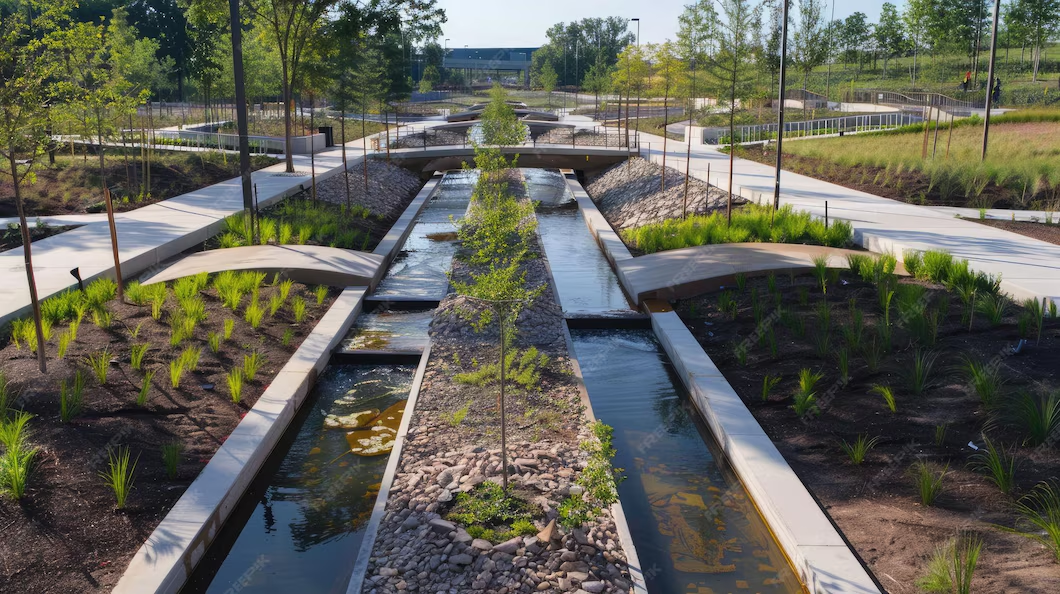
Cities around the world are increasingly turning to urban wetlands as a natural solution to rising flood risks driven by rapid urbanisation and climate change. Experts say restoring and expanding wetlands within city limits can significantly reduce the impact of heavy rainfall by absorbing excess water and slowing runoff.
Urban wetlands act like natural sponges, capturing stormwater and gradually releasing it, thereby easing pressure on drainage systems. In addition to flood control, these ecosystems improve water quality by filtering pollutants and provide vital habitats for birds, fish, and other wildlife.
Several cities have begun integrating wetland restoration into urban planning. Projects include reviving degraded marshes, creating artificial wetlands in flood-prone zones, and protecting existing water bodies from encroachment. These efforts are proving cost-effective compared to conventional infrastructure such as concrete drainage systems.
Environmental planners emphasize that wetlands also help moderate urban temperatures and enhance green cover, contributing to overall climate resilience. However, challenges remain, including land availability, pollution, and lack of public awareness.
As extreme weather events become more frequent, experts stress that combining traditional engineering with nature-based solutions like wetlands could play a crucial role in building safer, more sustainable cities. News as reported

- upgraderz.aws@gmail.com
- upgraderz.aws@gmail.com
- upgraderz.aws@gmail.com
- upgraderz.aws@gmail.com