

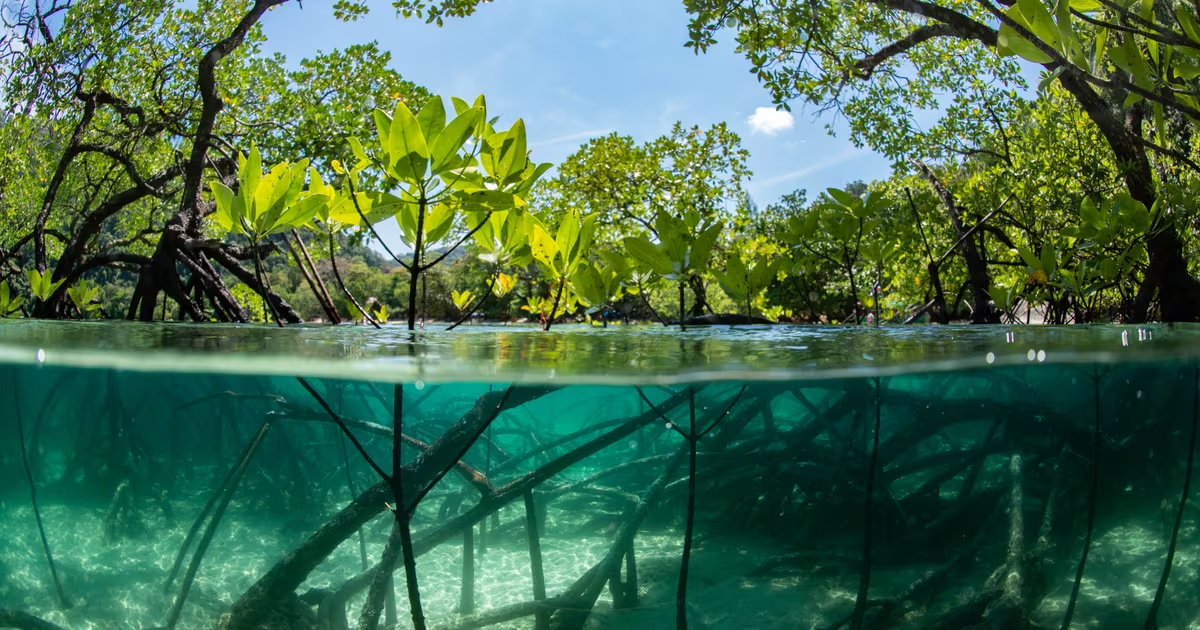
Coastal regions undertaking mangrove restoration are witnessing encouraging signs of biodiversity recovery, according to recent field assessments by environmental scientists. Revived mangrove ecosystems are once again supporting a wide range of species, including fish, crustaceans, birds, and other wildlife that depend on these habitats for breeding and shelter.
Mangroves are known for their ability to act as natural coastal barriers, protecting shorelines from erosion, storm surges, and rising sea levels. Their restoration not only strengthens climate resilience but also rebuilds critical ecosystems that had been degraded due to urban expansion, aquaculture, and pollution.
Experts report that areas where mangroves have been replanted or naturally regenerated are showing increased fish populations and improved water quality. These changes are also benefiting local communities, particularly those dependent on fishing, by enhancing livelihoods and food security.
Conservationists highlight that successful restoration depends on careful planning, including selecting native species and maintaining natural tidal flows. Community involvement has also emerged as a key factor in ensuring long-term success.
As climate challenges intensify, mangrove restoration is gaining recognition as a powerful nature-based solution, offering both environmental and economic benefits while helping to reverse biodiversity loss along vulnerable coastlines. News as reported
