

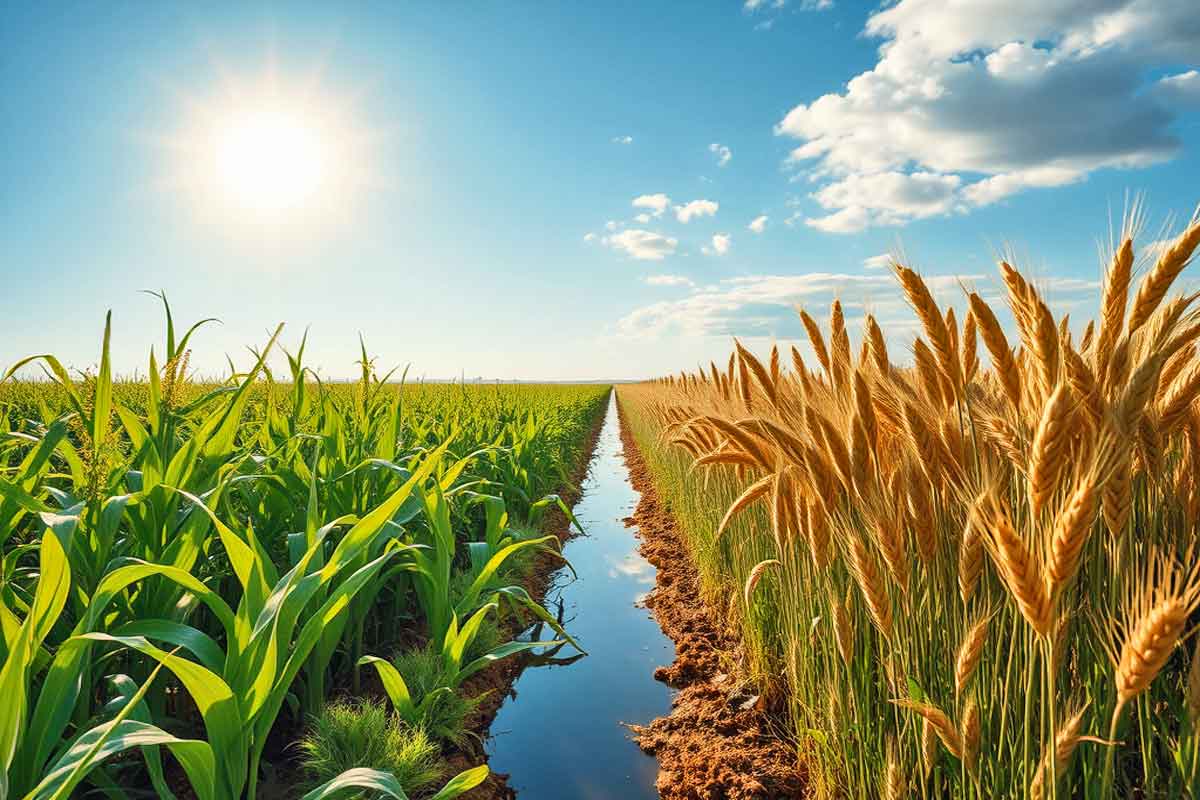
Farmers across the world are increasingly adopting climate-resilient crops as changing weather patterns threaten traditional agriculture. Rising temperatures, irregular rainfall, and frequent extreme events have pushed agricultural communities to seek crops that can withstand drought, floods, and shifting growing seasons.
Agricultural experts note that climate-resilient varieties—such as drought-tolerant millets, flood-resistant rice, and heat-resistant wheat—are helping stabilize yields under unpredictable conditions. These crops require fewer inputs like water and fertilizers, making them both environmentally sustainable and economically viable for small-scale farmers.
In many regions, governments and research institutions are promoting these crops through seed distribution programs, training, and financial incentives. Farmers who have transitioned report improved harvest reliability and reduced losses during adverse weather.
The shift is also contributing to food security, particularly in vulnerable regions where climate impacts are most severe. By diversifying crops and reducing dependence on climate-sensitive varieties, farming systems are becoming more resilient.
However, challenges such as limited awareness, market access, and initial adoption costs remain. Experts emphasize the need for continued support, investment, and education to scale up adoption.
As climate pressures grow, the move toward resilient agriculture is emerging as a crucial strategy to safeguard livelihoods and ensure sustainable food production worldwide. News as reported

- upgraderz.aws@gmail.com
- upgraderz.aws@gmail.com
- upgraderz.aws@gmail.com
- upgraderz.aws@gmail.com