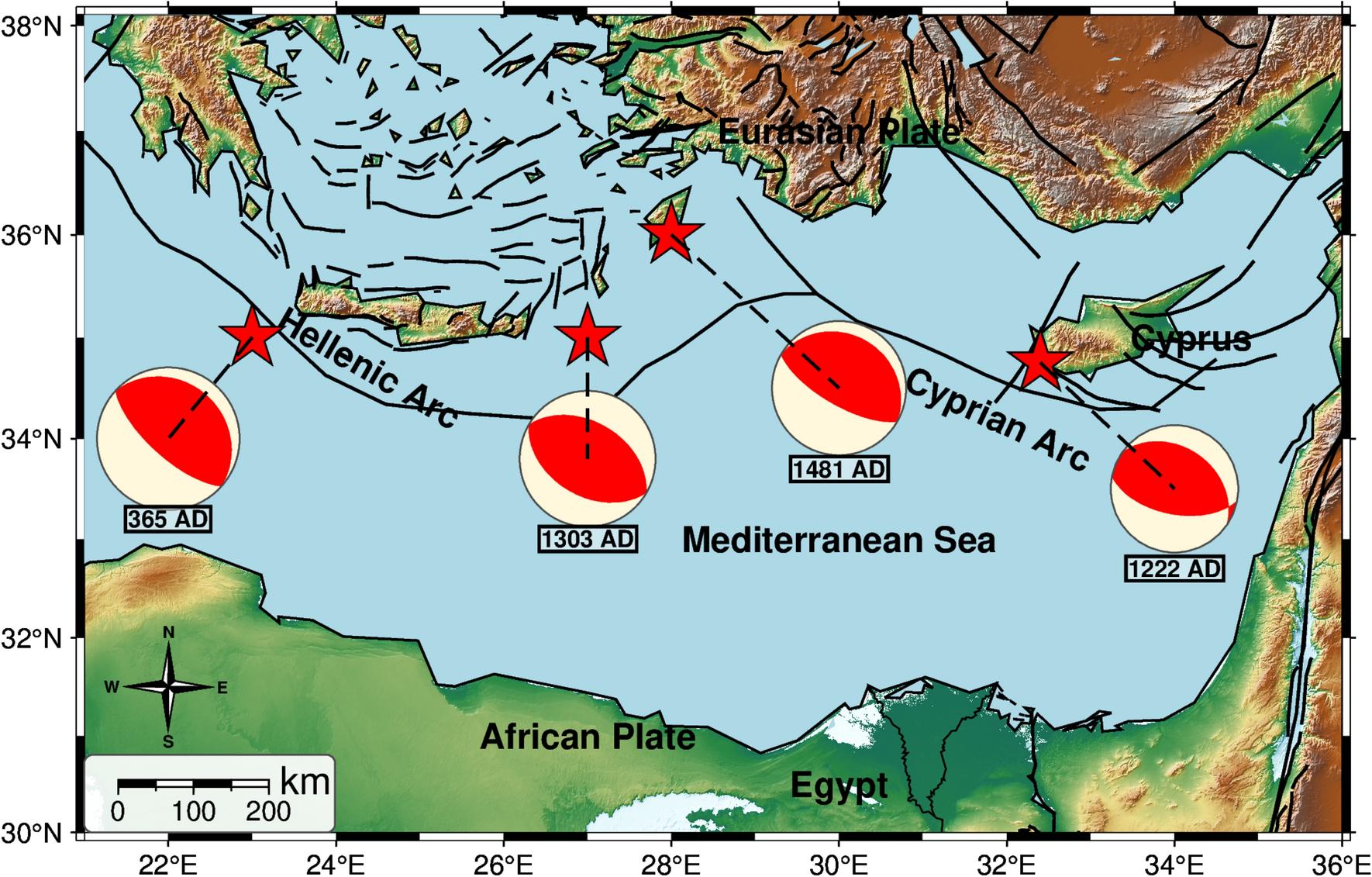
UNESCO has warned that the Mediterranean region faces an increasing risk of destructive tsunamis due to a combination of climate change, rising sea levels, and ongoing geological activity beneath the sea. Experts say densely populated coastal cities across Southern Europe, North Africa, and parts of the Middle East are becoming more vulnerable as environmental and seismic pressures intensify.
Scientists explained that the Mediterranean Sea, although smaller than the Pacific Ocean, has a long history of powerful earthquakes and tsunami events caused by tectonic plate movements. Rising sea levels linked to global warming could further worsen future tsunami impacts by allowing waves to travel farther inland, increasing flood damage to coastal communities, ports, wetlands, and tourism infrastructure. Researchers also noted that coastal erosion and uncontrolled urban development are reducing the natural barriers that once helped absorb wave energy.
According to UNESCO experts, several Mediterranean regions could experience tsunami waves within minutes after a major undersea earthquake, leaving limited time for evacuation. Authorities are therefore urging governments to strengthen early-warning systems, improve coastal planning, expand public awareness programmes, and invest in disaster preparedness measures.
Environmental researchers emphasized that climate change does not directly cause tsunamis, but it amplifies the risks and potential damage associated with them. As extreme weather, sea-level rise, and geological instability increasingly interact, experts warn that Mediterranean nations must prepare for more complex coastal hazards in the coming decades.
News as reported