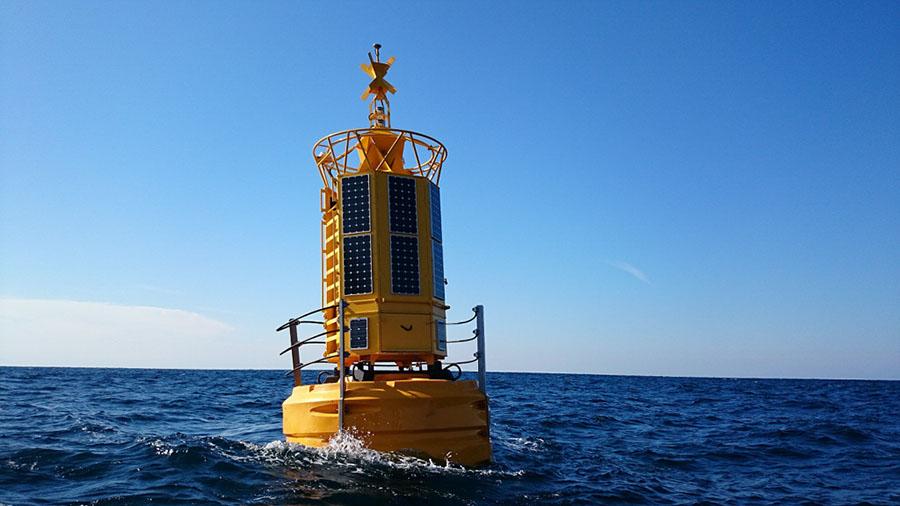
Scientists and environmental organizations have expressed concern over a proposal by the Trump administration to discontinue the United States’ Ocean Observatories Initiative (OOI), one of the world’s most extensive ocean-monitoring systems. Established in 2016 and funded by the U.S. National Science Foundation, the network consists of more than 900 instruments deployed across the Atlantic and Pacific Oceans, collecting real-time data on ocean temperatures, currents, chemistry, marine ecosystems, and climate-related changes.
Researchers warn that shutting down the program would create significant gaps in long-term scientific records that are essential for understanding climate change, ocean circulation, marine biodiversity, and extreme weather events. The OOI provides continuous observations from remote regions of the ocean that are difficult and costly to monitor through research expeditions alone. Scientists argue that these datasets are invaluable for forecasting storms, tracking marine heatwaves, and improving climate models.
Critics of the proposal say the decision could weaken the United States’ leadership in ocean science and reduce the availability of data used by researchers worldwide. Environmental groups have also highlighted the importance of the monitoring network for managing fisheries, protecting marine ecosystems, and assessing the impacts of rising ocean temperatures.
Supporters of the program are urging policymakers to maintain funding, arguing that the relatively modest operating costs are outweighed by the scientific, environmental, and economic benefits provided by continuous ocean observation. The debate comes at a time when oceans are experiencing record heat levels and increasing environmental pressures linked to climate change.
News as reported