A major international study has revealed that oxygen levels in rivers across the world are declining rapidly due to rising global temperatures and human-driven pollution. Researchers warn that warmer water holds less dissolved oxygen, creating stressful conditions for fish, insects, and other freshwater organisms that depend on healthy river ecosystems for survival.
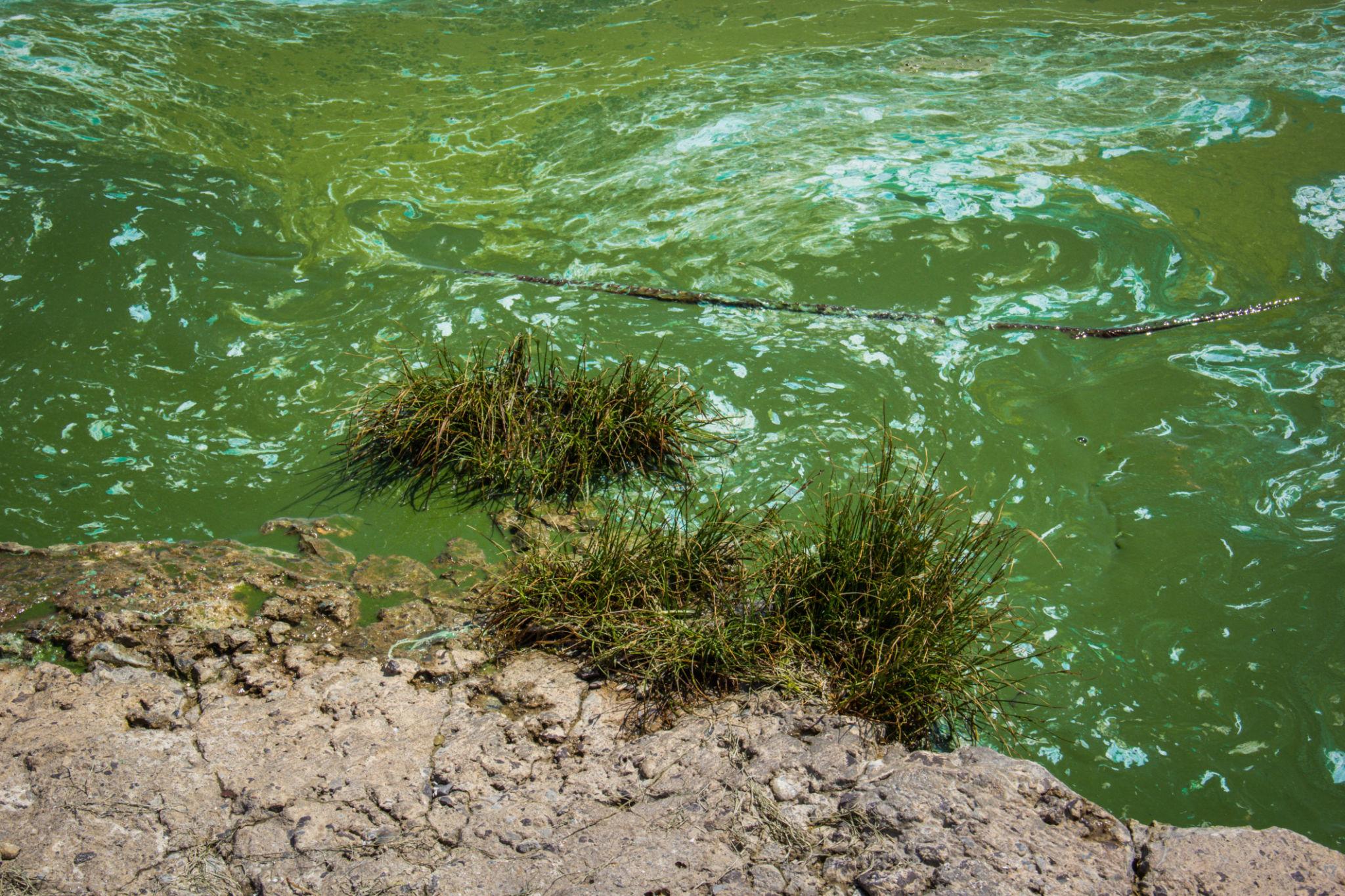
The study found that climate change is intensifying heatwaves and altering river flow patterns, while nutrient pollution from agriculture and urban runoff is worsening oxygen depletion. In some regions, excessive algal growth fueled by pollution consumes oxygen when the algae decompose, leading to “dead zones” where aquatic life struggles to survive.
Scientists say freshwater ecosystems are among the most vulnerable environments to climate change. Falling oxygen levels can disrupt breeding cycles, reduce biodiversity, increase fish deaths, and weaken entire food chains. Species already sensitive to temperature changes may face severe population declines if current warming trends continue.
Experts are urging governments to strengthen river conservation measures by reducing greenhouse gas emissions, improving wastewater treatment, restoring wetlands, and controlling agricultural pollution. They emphasize that protecting rivers is essential not only for wildlife but also for drinking water supplies, food security, and the livelihoods of millions of people worldwide.
– News as reported