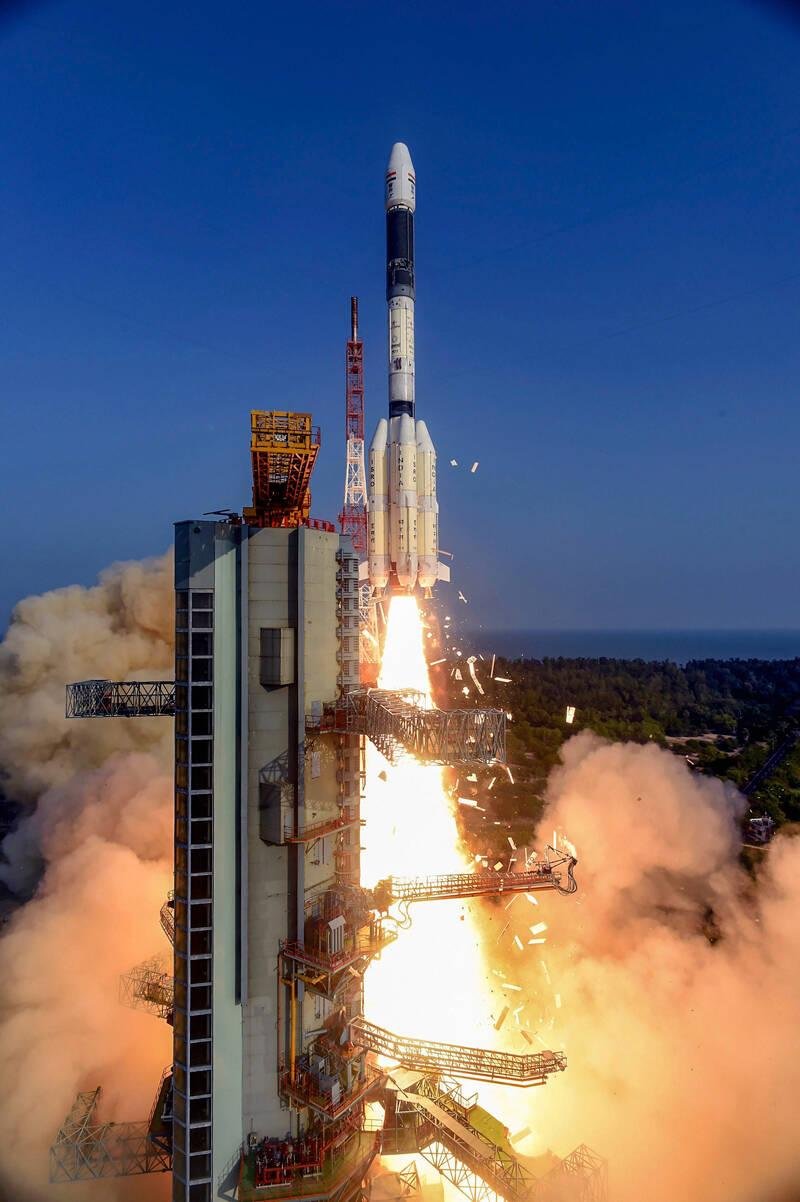
The Indian Space Research Organisation (ISRO) achieved a major milestone on September 4 with the successful launch of the EOS-05 Earth observation satellite aboard the GSLV-F17 rocket from the Satish Dhawan Space Centre in Sriharikota. The rocket lifted off at 2:55 am and placed the satellite into its intended sub-geosynchronous transfer orbit. EOS-05 is India’s first dedicated imaging satellite designed to operate from a geosynchronous orbit.
The satellite is expected to provide continuous observation of specific areas because of its planned position approximately 36,000 km above Earth. This capability can support applications including national security, disaster monitoring, agriculture, weather-related observation and infrastructure planning.
The successful mission is also significant for ISRO after a period without a launch of this type. The mission demonstrates India’s growing ability to develop and deploy advanced Earth-observation technology independently.
ISRO officials described the mission as a major achievement for India’s space programme. Once EOS-05 reaches its final operational orbit, it is expected to provide persistent imaging capabilities that are different from conventional low-Earth-orbit satellites