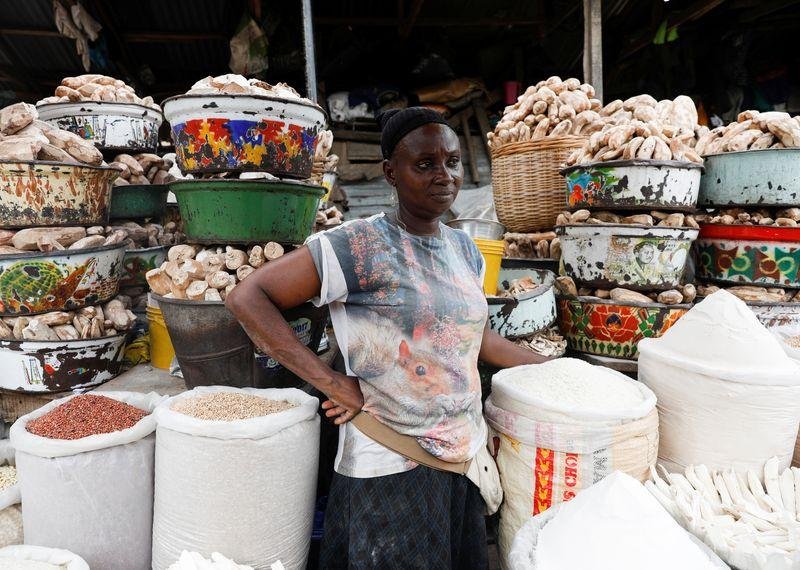
Nigeria is facing renewed pressure on household food costs as the ongoing Middle East conflict disrupts global energy markets and pushes fuel prices higher. The higher energy and transport costs are adding to existing food-price pressures in the country.
Nigeria’s headline inflation eased slightly to 15.39% in August 2026, but food prices remained a major concern. Food inflation was reported at 19.57% year-on-year, meaning households continued to face significantly higher food costs despite the moderation in overall inflation.
The Middle East conflict has contributed to higher global oil prices. In Nigeria, petrol prices have risen to around ₦1,400 per litre in Lagos and Abuja, while diesel has exceeded ₦2,000 per litre in some markets, according to Reuters. Higher fuel prices can increase the cost of transporting agricultural products and other goods to markets.
The pressure is particularly significant for low-income households. Al Jazeera reported on September 25 that Nigerian health workers are warning about worsening food insecurity and malnutrition as the rising cost of living affects access to food.
News as Reported.