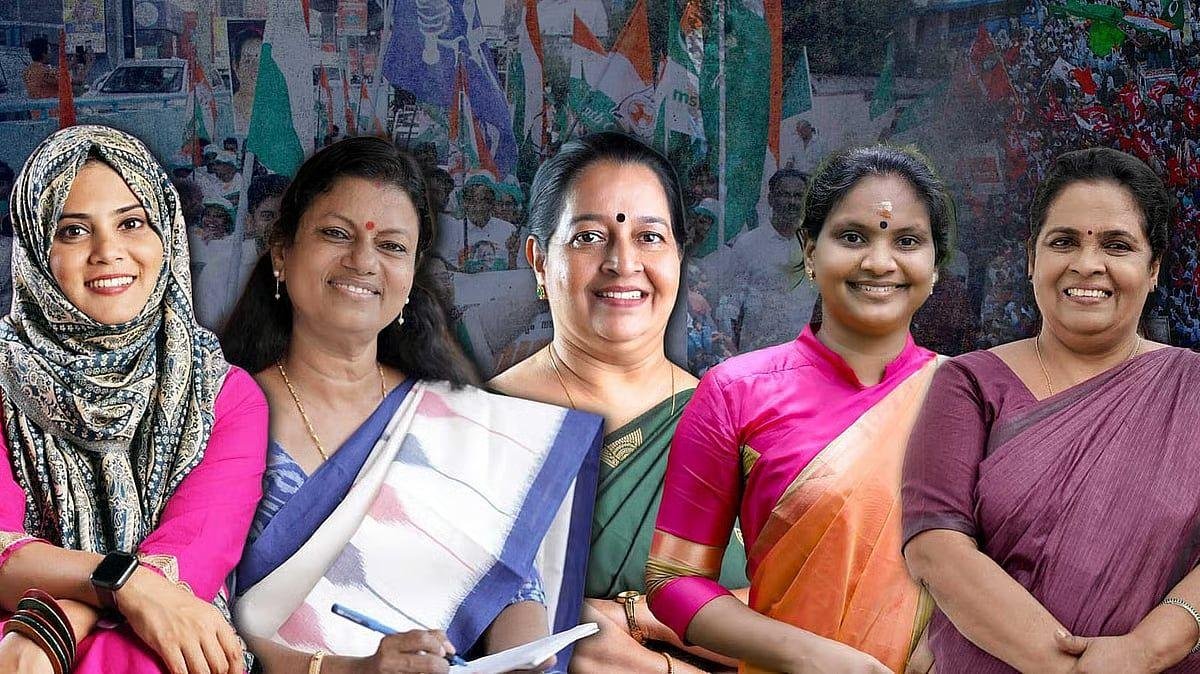
A language-related political controversy has emerged after several Kerala legislators boycotted a National Commission for Women workshop held in Faridabad. The workshop, conducted on September 7 and 8, focused on gender-responsive governance for women legislators and brought together more than 100 women representatives from different states.
Eight UDF legislators from Kerala reportedly stayed away from the event, objecting to the exclusive use of Hindi. The issue has triggered a wider discussion about India’s linguistic diversity and the use of regional languages in national-level programmes.
Kerala Chief Minister V. D. Satheesan criticized what he described as an attempt to impose Hindi and argued that India’s strength comes from its linguistic and cultural diversity. Kerala’s Women and Child Development Minister Bindhu Krishna also expressed strong criticism of the way the programme was conducted.
The controversy highlights a longstanding debate over language policy in India. While Hindi is one of the country’s major languages, India officially recognizes numerous languages and has a highly diverse linguistic population. States such as Kerala have frequently emphasized the importance of protecting regional languages and cultural identities.
The incident has therefore developed beyond a disagreement about one workshop and has become part of a larger political discussion concerning Centre-state relations, language rights and cultural diversity.
The controversy could also influence future discussions about how national programmes are organized, particularly events involving elected representatives from different linguistic regions.