


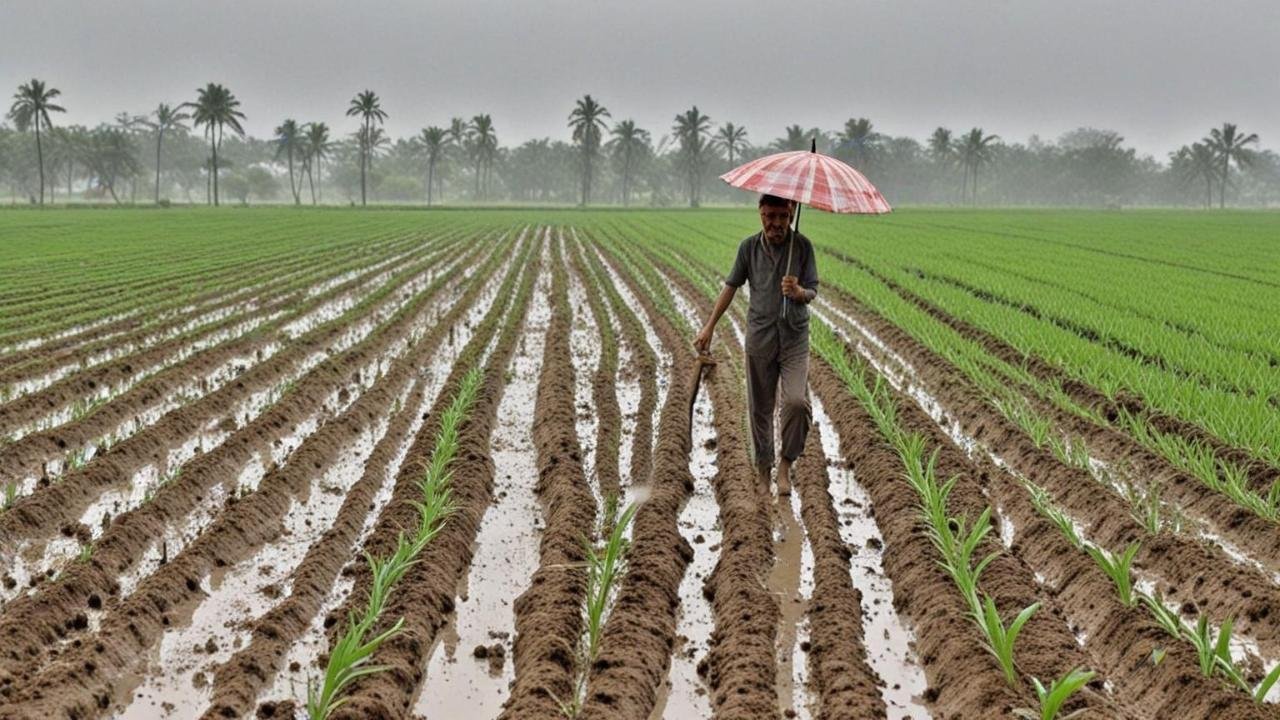
India is facing concerns over below-average rainfall during September, after a weaker-than-normal monsoon earlier in the season. September rainfall is particularly important because several major crops are currently in critical growth stages and require sufficient moisture.
According to recent reports, rainfall was significantly below normal during parts of the monsoon season. This has created concerns for crops such as cotton, soybean, maize and rice. A continued rainfall deficit could affect agricultural production and farmers’ incomes.
The impact could extend beyond agriculture. Lower crop production may put pressure on food prices and increase the possibility of higher imports of products such as pulses, vegetable oils and sugar. Food inflation could also become an important consideration for economic policymakers.
September rainfall is additionally important for preparing soil moisture for winter crops such as wheat, chickpeas and rapeseed. A prolonged dry spell could therefore affect both the current agricultural season and the next planting cycle.
Weather developments during the coming weeks will be closely watched by farmers, policymakers and markets because the monsoon remains crucial to India’s food supply and rural economy