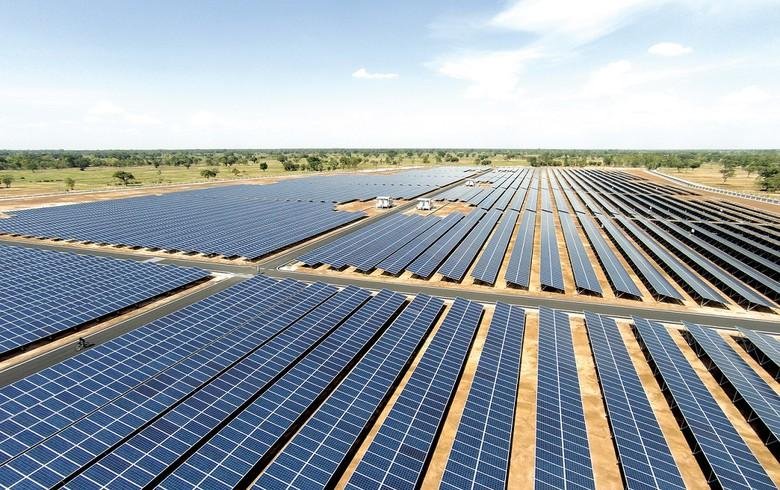
India’s electricity demand is rising rapidly, but the country is facing difficulties in using all the solar power it generates. According to an Associated Press report, nearly 11 terawatt-hours of solar electricity were curtailed over the past 15 months because of limitations in transmission networks, storage capacity and grid flexibility.
The problem highlights an important challenge for India’s renewable-energy ambitions. Solar generation is concentrated heavily in western states such as Gujarat and Rajasthan, while electricity demand is spread across the country. Limited transmission capacity can therefore prevent surplus solar electricity from reaching areas where it is needed.
Battery storage is another major issue. India currently has only around 3 GW of battery storage, while estimates suggest that the country may need about 74 GW by 2032.
India has set ambitious renewable-energy targets and aims to expand non-fossil electricity generation significantly over the coming decade. Building stronger transmission networks and increasing battery storage could help reduce wasted renewable electricity.