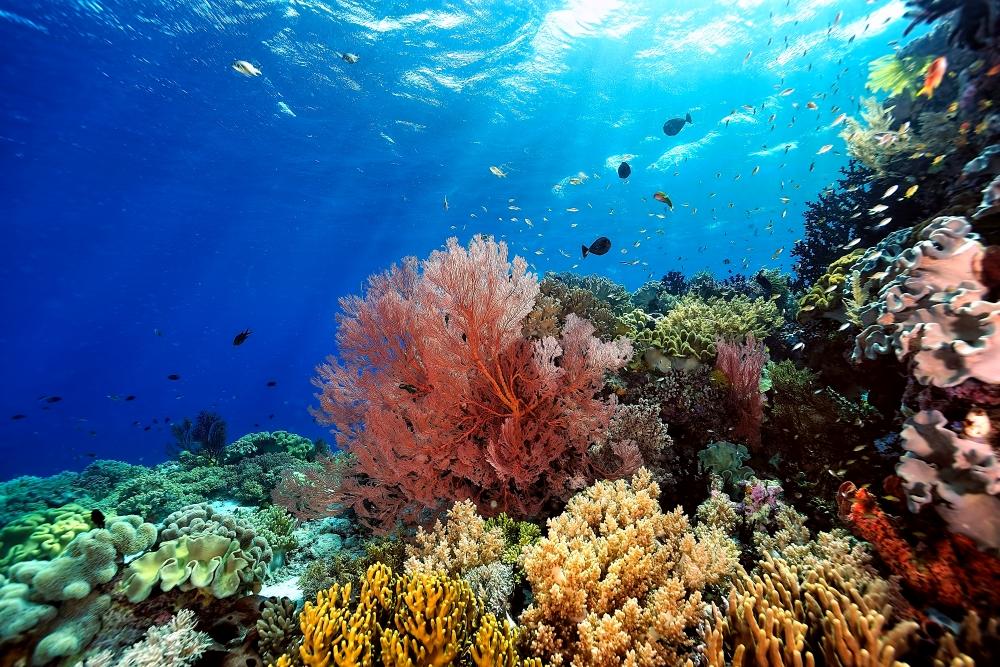
A major international scientific study has identified vast areas of coral reefs around the world that appear capable of withstanding some of the most severe impacts of climate change. Researchers mapped approximately 166,000 square kilometers of reefs across 71 countries and territories that have shown remarkable resilience to rising ocean temperatures, marine heatwaves, and other environmental stresses.
The discovery offers new hope for coral conservation at a time when reefs worldwide are facing unprecedented threats from global warming, pollution, and overfishing. Coral reefs support nearly a quarter of all marine species and provide food, income, and coastal protection for hundreds of millions of people.
Scientists say these resilient reef systems could play a crucial role in preserving marine biodiversity and helping damaged reef ecosystems recover in the future. However, the study also revealed that less than one-third of these climate-resilient reefs currently fall within protected marine areas.
Conservation groups are urging governments to strengthen protection measures and prioritize these reefs in national and international conservation plans. Experts emphasize that safeguarding resilient reefs is essential for maintaining healthy oceans and supporting communities that depend on marine resources.
The findings are expected to guide future marine conservation efforts and contribute to global biodiversity targets aimed at protecting 30 percent of the world’s oceans by 2030.
News as reported