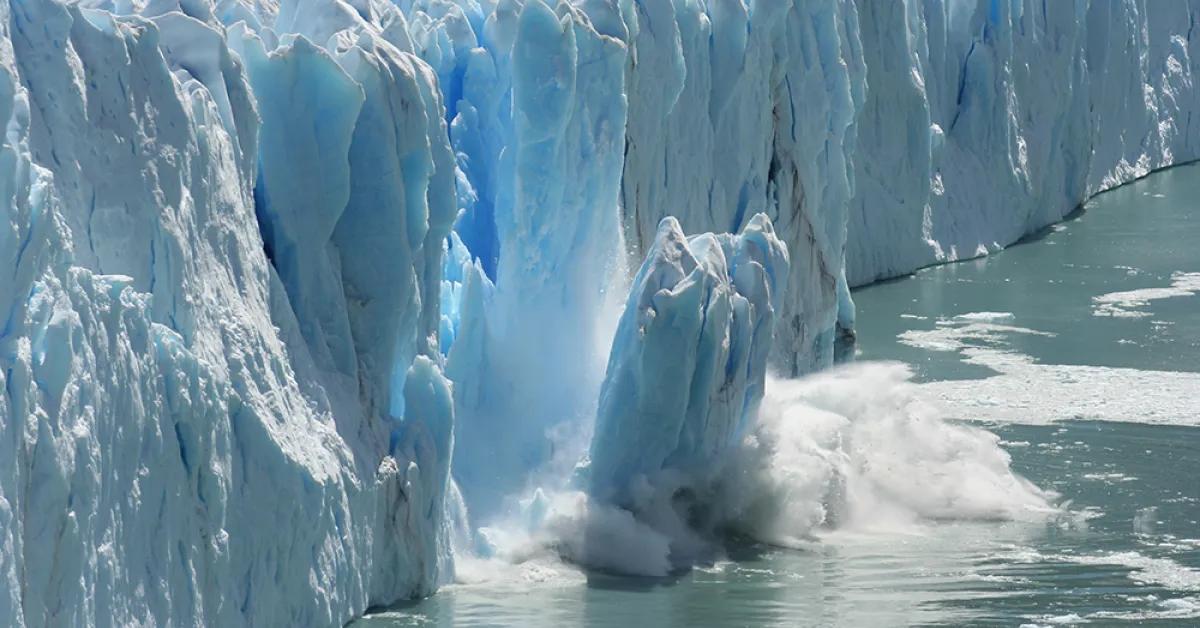
Scientists are raising concerns over the accelerating rise in global sea levels, warning that coastal communities around the world face increasing risks from flooding, erosion, and saltwater intrusion. According to recent climate research, the rate of sea-level rise has more than doubled over the past few decades due to the combined effects of melting glaciers, shrinking polar ice sheets, and the thermal expansion of warming oceans.
Researchers report that rising global temperatures are causing Greenland and Antarctica to lose ice at unprecedented rates. As a result, billions of tons of freshwater are being added to the oceans each year. Experts caution that if greenhouse gas emissions continue at current levels, sea levels could rise significantly by the end of the century, threatening low-lying islands, coastal cities, and vital ecosystems such as mangroves and wetlands.
The impacts are already being felt in many regions, where stronger storm surges and more frequent coastal flooding are damaging infrastructure and disrupting livelihoods. Small island nations are particularly vulnerable, as rising seas pose a direct threat to homes, freshwater supplies, and local economies.
Climate scientists emphasize that reducing carbon emissions, investing in coastal protection measures, and restoring natural barriers such as mangrove forests are essential steps to limit future damage. They urge governments and communities worldwide to take immediate action to address the growing challenge of sea-level rise.
News as reported