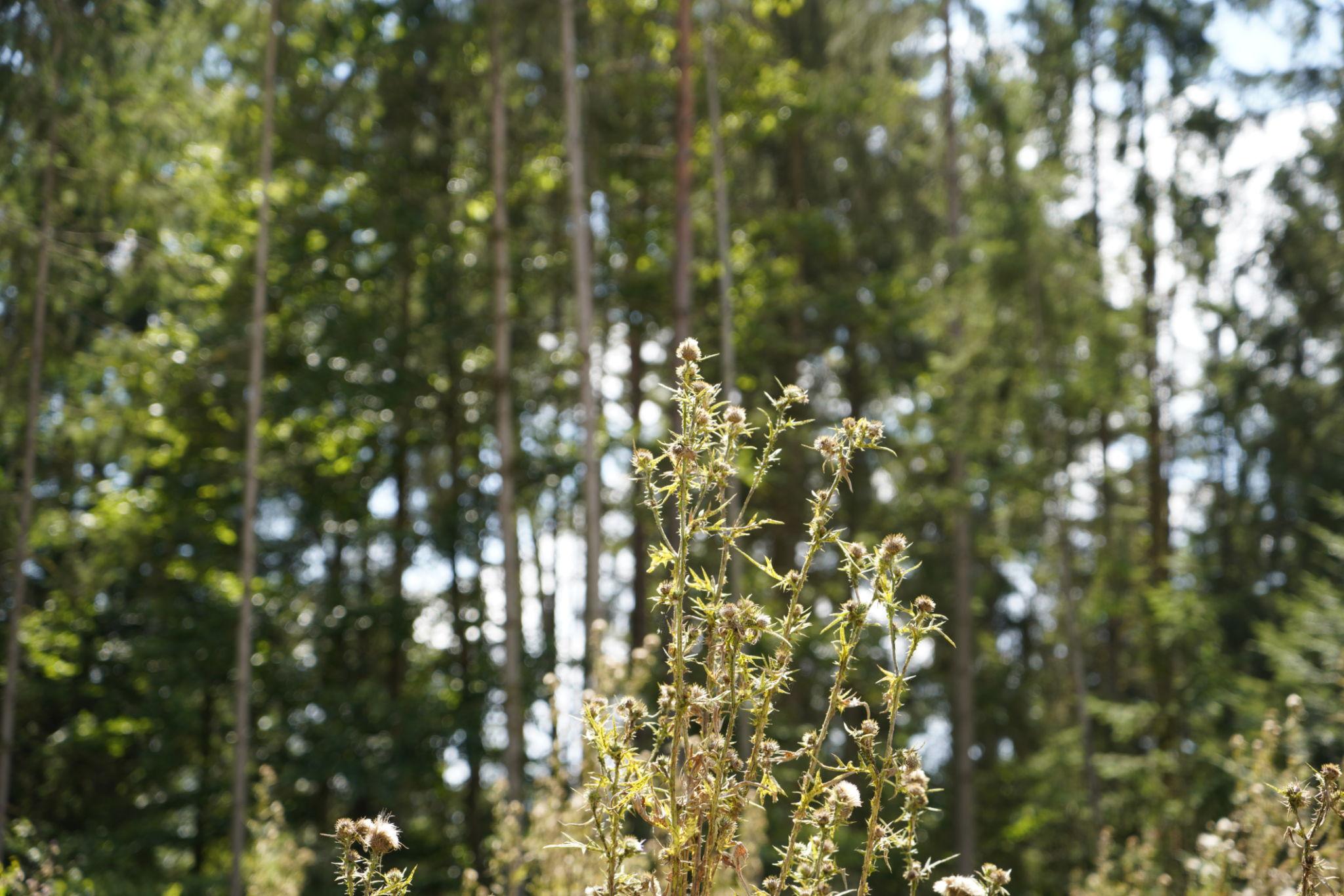
Climate change is emerging as one of the greatest threats to global plant diversity, with scientists warning that thousands of species could face extinction as their natural habitats rapidly disappear. A major international study examining more than 67,000 vascular plant species found that between 7% and 16% may lose over 90% of their suitable habitat by the end of this century. Researchers say rising temperatures, shifting rainfall patterns, prolonged droughts, and increasing wildfires are reshaping ecosystems worldwide.
The study revealed that plants are not simply affected by warmer weather alone. Many species depend on a delicate combination of soil conditions, moisture levels, shade, and seasonal climate patterns. As these conditions change simultaneously, suitable environments for survival are shrinking dramatically. Scientists highlighted vulnerable species including Australia’s eucalyptus trees and several ancient plant lineages that date back hundreds of millions of years.
Researchers warned that the loss of plant diversity could trigger widespread ecological consequences, reducing carbon storage, destabilizing soils, and threatening food systems and wildlife habitats. Experts say protecting forests, cutting greenhouse-gas emissions, and restoring ecosystems are essential to preventing irreversible biodiversity loss and worsening climate impacts in the future.
News as reported