

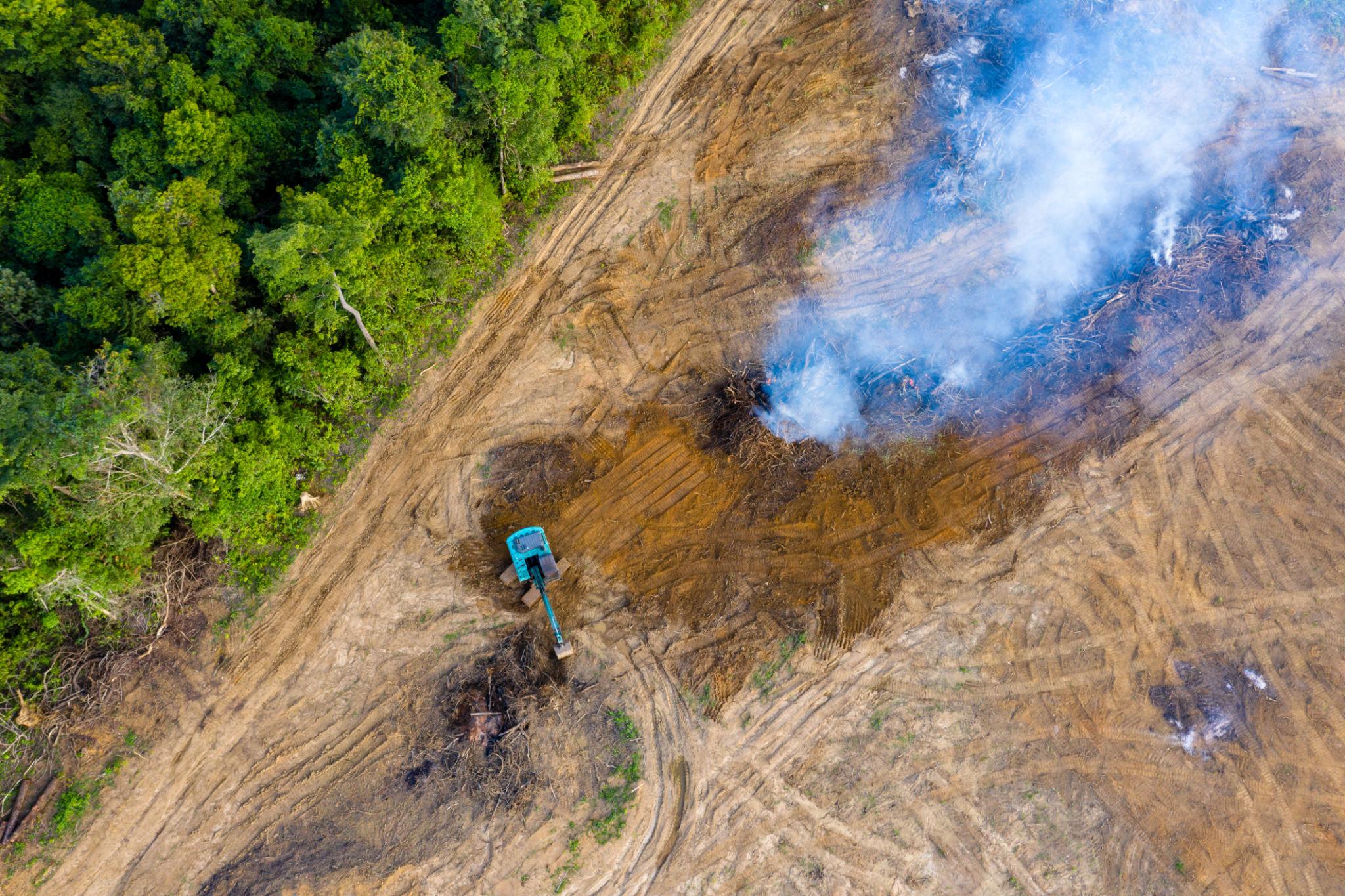
Scientists are warning that the Amazon rainforest could approach a critical climate tipping point within the next two decades if deforestation, rising temperatures, and ecosystem degradation continue at current rates. New environmental research suggests that large parts of the Amazon may gradually lose their ability to generate rainfall and support the rich biodiversity that has long made the region one of the world’s most important ecosystems.
The Amazon rainforest plays a major role in regulating global climate by absorbing vast amounts of carbon dioxide and recycling moisture through rainfall systems. However, increasing forest loss caused by logging, mining, agricultural expansion, and wildfires is weakening this natural balance. Researchers say prolonged droughts and higher temperatures are already placing severe stress on forests across several parts of the region.
Scientists fear that once a certain threshold is crossed, sections of the rainforest could transform into drier savanna-like landscapes, leading to massive biodiversity loss and reduced rainfall across South America. Such changes could also accelerate global climate change by releasing large amounts of stored carbon into the atmosphere.
Experts are calling for urgent international action to reduce deforestation, strengthen conservation policies, and support Indigenous communities that help protect large areas of the Amazon rainforest from further destruction.


- upgraderz.aws@gmail.com
- upgraderz.aws@gmail.com
- upgraderz.aws@gmail.com
- upgraderz.aws@gmail.com