

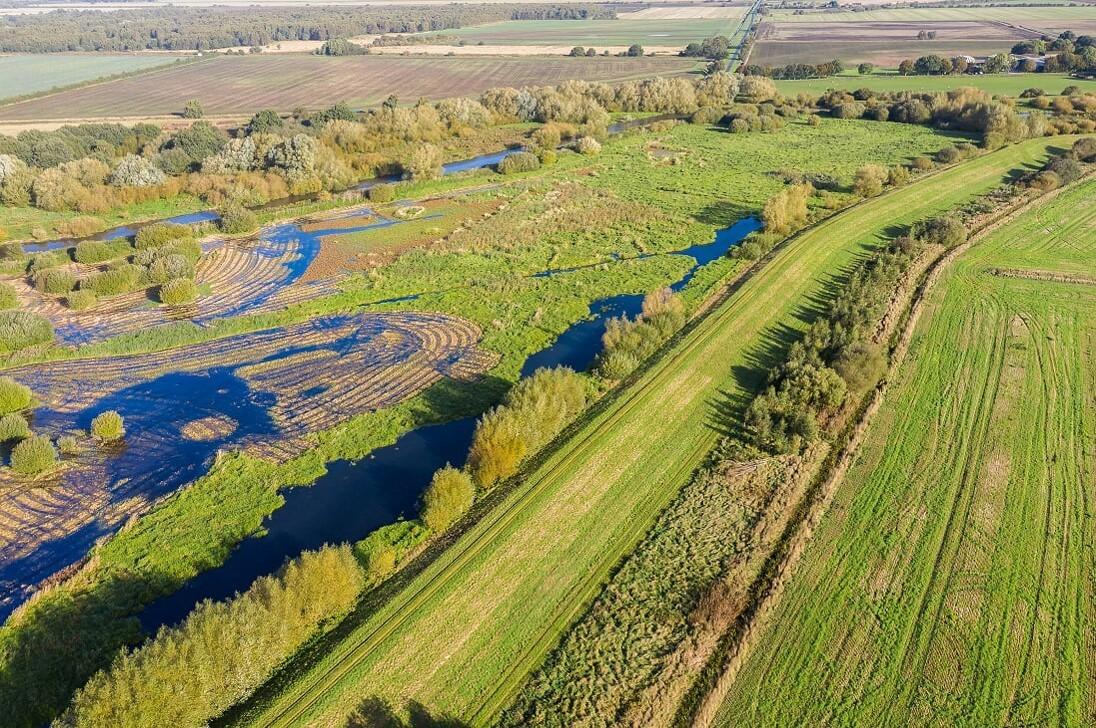
Conservation groups and local communities in United Kingdom have successfully helped restore the heavily polluted River Mease ecosystem after years of ecological decline caused by sewage pollution, agricultural runoff, and habitat destruction. Environmental experts describe the project as an important example of how community-led conservation efforts can revive damaged freshwater ecosystems.
The River Mease, once considered one of England’s most threatened rivers, had experienced severe biodiversity loss, declining fish populations, and deterioration of wetlands due to nutrient pollution and poor water quality. Local volunteers, environmental organizations, landowners, and conservation authorities worked together to improve river habitats, restore wetlands, reduce pollution, and reintroduce native plant species.
Recent monitoring has shown encouraging signs of ecological recovery, including improved water quality and the return of fish, birds, insects, and aquatic wildlife. Restored wetlands along the river are also helping absorb floodwaters, improve natural filtration, and support climate resilience.
Environmental groups say the project demonstrates the importance of combining scientific restoration methods with local community participation. Experts warn that many rivers across Europe and other parts of the world continue to face serious threats from pollution, urban expansion, and climate change, making long-term river conservation increasingly important for biodiversity and water security.


- upgraderz.aws@gmail.com
- upgraderz.aws@gmail.com
- upgraderz.aws@gmail.com
- upgraderz.aws@gmail.com