

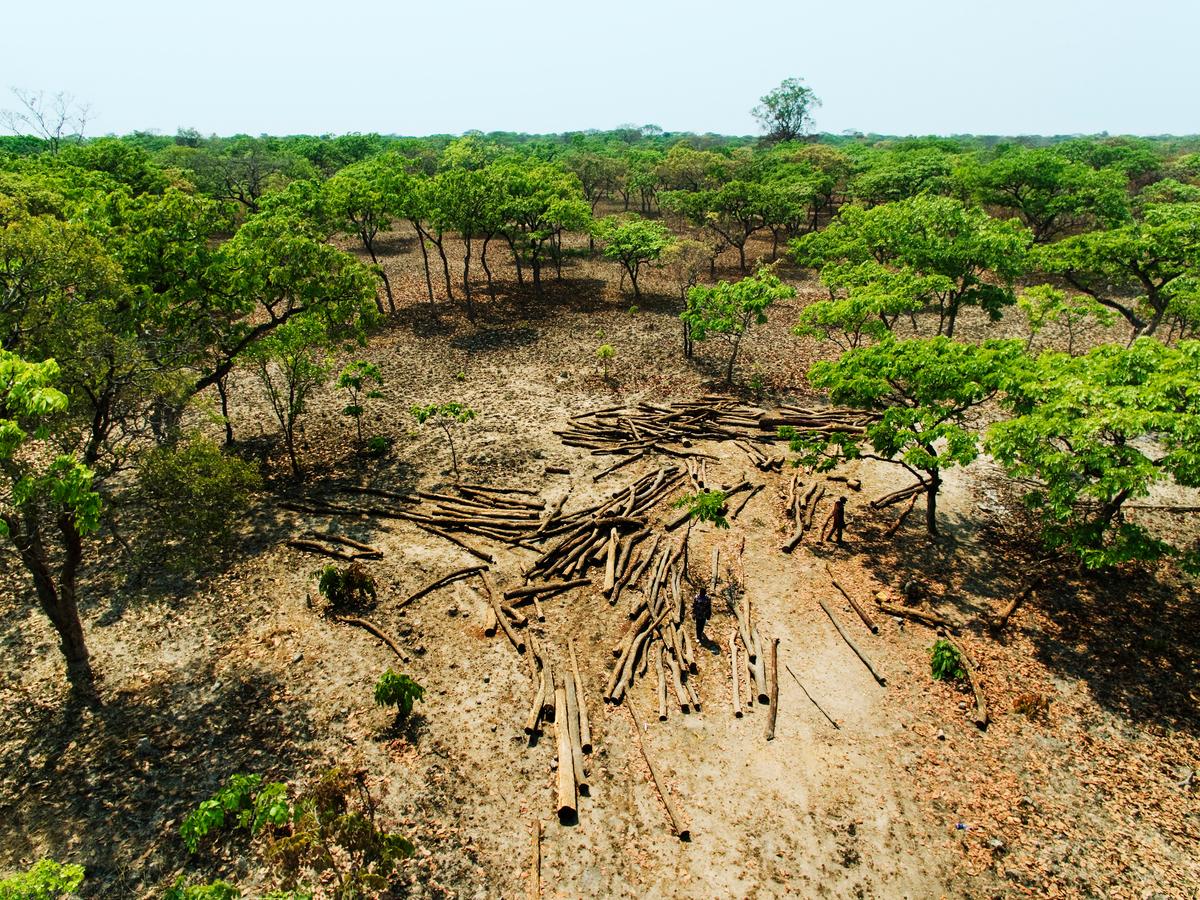
Scientists have warned that many African forests are no longer absorbing more carbon dioxide than they release, with new research showing that large areas have shifted from being carbon sinks to carbon sources due to deforestation, drought, and climate stress.
Forests naturally help regulate Earth’s climate by absorbing carbon dioxide from the atmosphere and storing it in trees and soil. However, researchers say rising temperatures, prolonged droughts, wildfires, and human-driven forest destruction are weakening this ability across parts of Africa. As forests degrade or trees die, stored carbon is released back into the atmosphere, accelerating global warming.
The study highlights growing concerns over tropical forests in Central and West Africa, which are among the planet’s most important ecosystems for biodiversity and climate stability. Scientists warn that continued forest loss could reduce rainfall, damage wildlife habitats, threaten water resources, and increase food insecurity for millions of people.
Researchers stress that protecting and restoring forests is critical for slowing climate change. They are calling for stronger anti-deforestation policies, sustainable land management, reforestation programmes, and greater international support for conservation efforts across Africa.
Experts say the findings are another warning that climate change and ecosystem destruction are increasingly interconnected, with damaged forests both suffering from and contributing to global warming.


- upgraderz.aws@gmail.com
- upgraderz.aws@gmail.com
- upgraderz.aws@gmail.com
- upgraderz.aws@gmail.com