

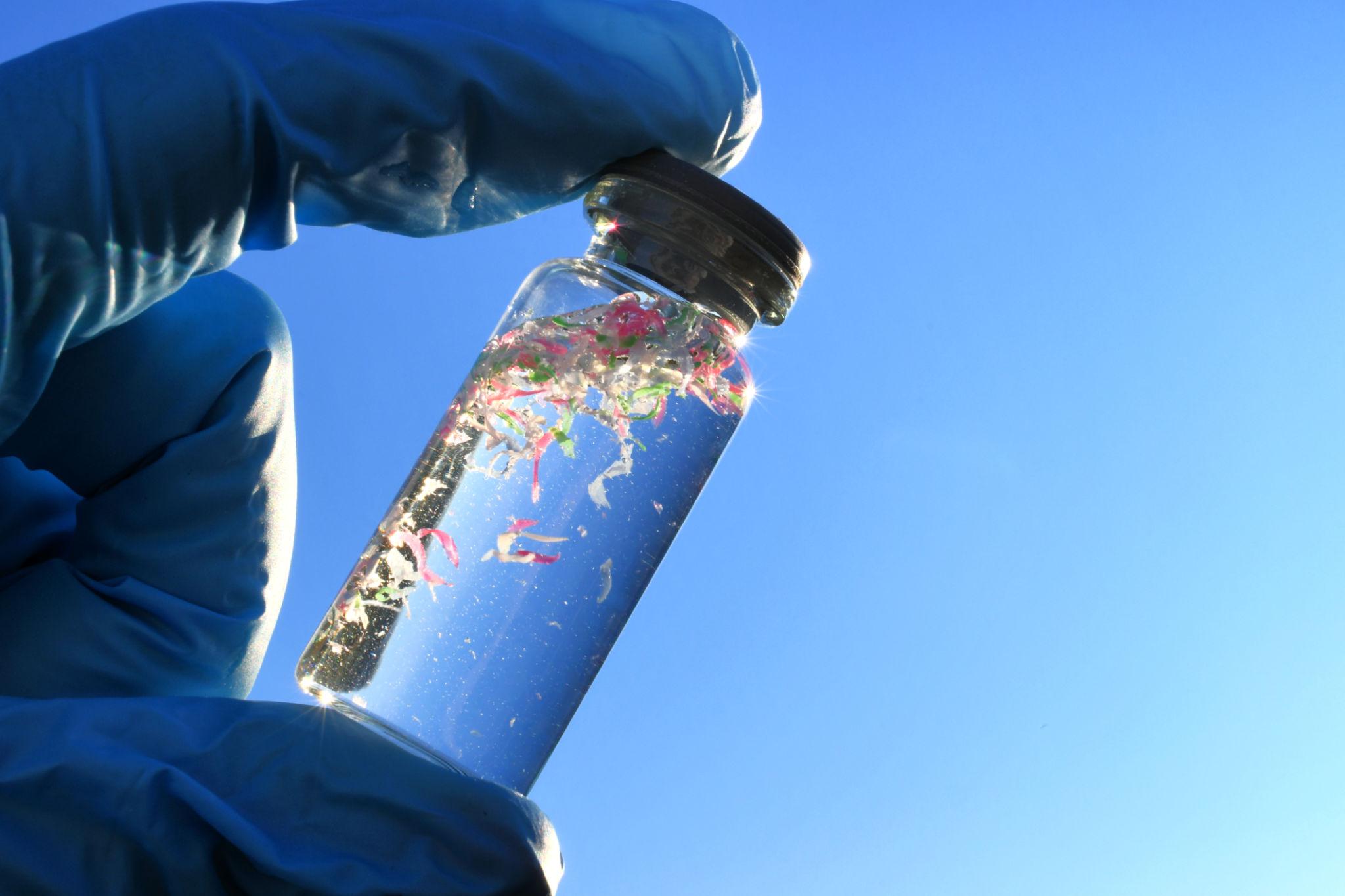
Scientists have developed a promising algae-based method that can remove microplastics from water, offering a potential breakthrough in the fight against growing global water pollution. Researchers say the new technique uses specially treated algae capable of trapping and collecting microscopic plastic particles from contaminated water sources, including drinking water supplies.
Microplastics are tiny plastic fragments formed from the breakdown of larger plastic waste or released from products such as synthetic clothing, packaging, and cosmetics. These particles have been detected in rivers, oceans, soil, food, and even human bodies, raising concerns about possible health and environmental impacts.
According to researchers, the algae act like natural biological filters. Their surfaces attract and bind microplastic particles together, making the plastics easier to separate and remove from water. Scientists believe the method could provide a low-cost and environmentally friendly alternative to existing filtration systems, which are often expensive and energy intensive.
Experts say the discovery could help improve water treatment technologies and reduce the spread of plastic pollution in aquatic ecosystems. However, they caution that preventing plastic waste at the source remains essential. Researchers continue to call for stronger recycling systems, reduced single-use plastics, and better waste management to tackle the growing global microplastic crisis.


- upgraderz.aws@gmail.com
- upgraderz.aws@gmail.com
- upgraderz.aws@gmail.com
- upgraderz.aws@gmail.com