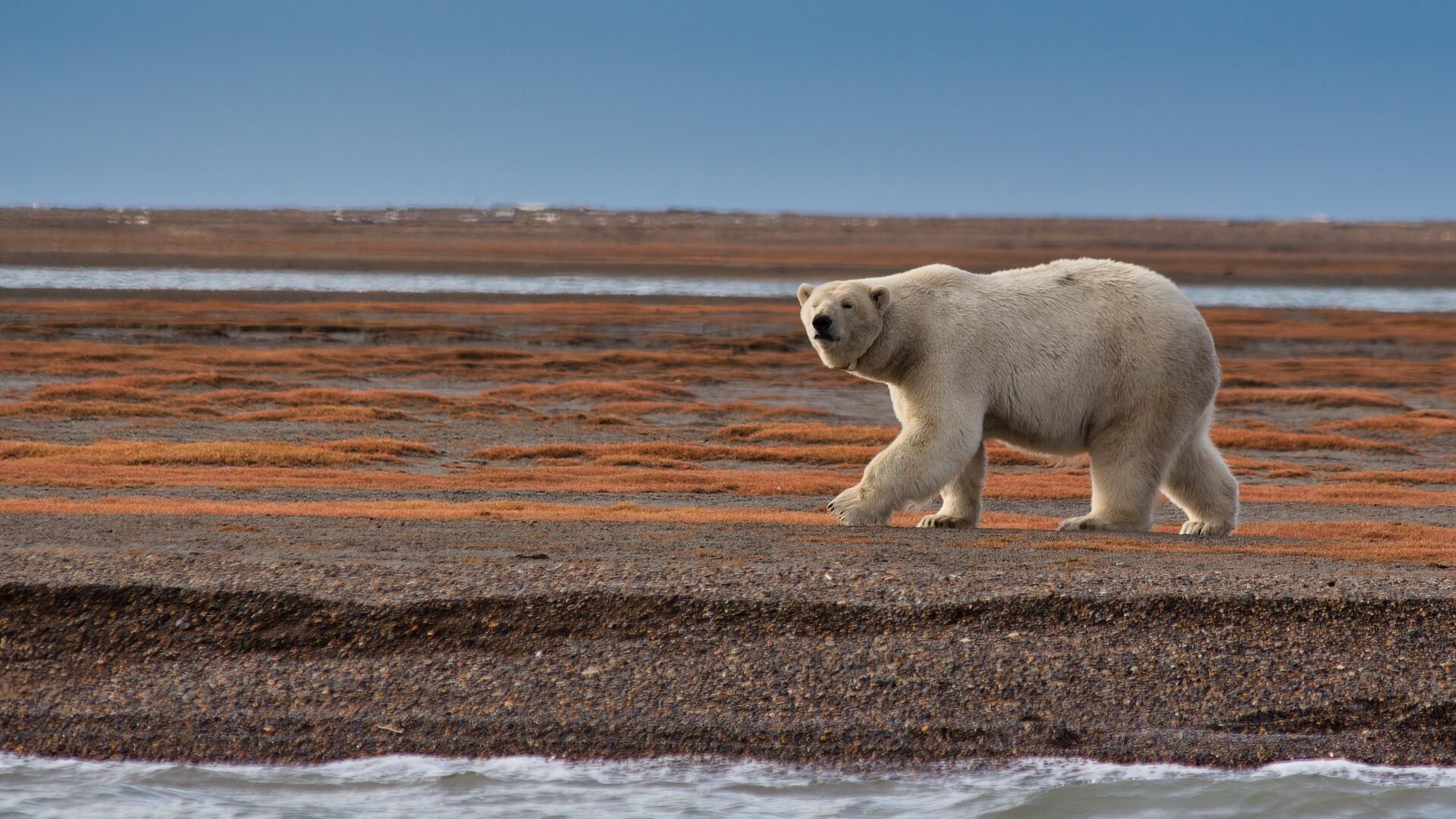
Scientists have warned that climate change may severely damage natural habitats for nearly 74% of wildlife species by the year 2050. Rising global temperatures are increasing the frequency of extreme weather events such as heatwaves, floods, droughts, storms, and wildfires, placing enormous pressure on ecosystems around the world.
According to researchers, many animals and plants may struggle to adapt quickly enough to these rapid environmental changes. Species living in forests, wetlands, coral reefs, and polar regions are considered especially vulnerable. Habitat destruction could lead to population declines, migration disruptions, food shortages, and a higher risk of extinction for many species.
Experts say climate change is already altering breeding patterns, migration routes, and the availability of water and food sources. Wildfires and prolonged droughts are also destroying large areas of biodiversity-rich habitats every year.
Environmental scientists stress that reducing greenhouse gas emissions, protecting forests, restoring ecosystems, and expanding conservation efforts are essential to slow the loss of biodiversity. They warn that without urgent global climate action, ecosystems that support both wildlife and human life could face irreversible damage in the coming decades.
News as reported