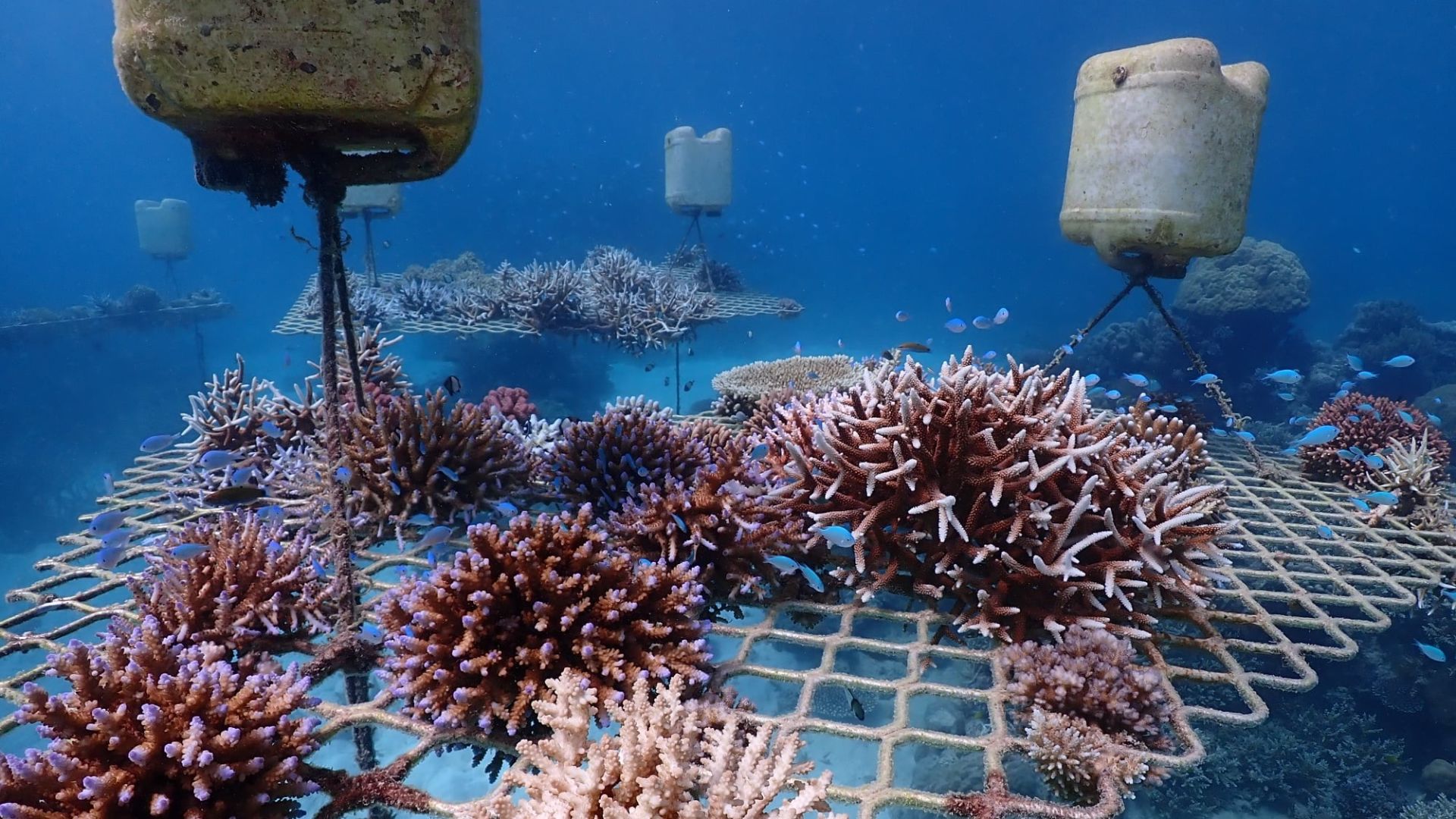
Encouraging signs are emerging from the Indian Ocean as scientists report localized recovery in coral reef ecosystems, offering hope amid ongoing global concerns over marine degradation. Researchers studying reefs affected by bleaching events linked to rising sea temperatures have observed the gradual return of coral cover in select regions.
Coral reefs, often referred to as the “rainforests of the sea,” are highly sensitive to temperature changes. Events like mass bleaching—caused primarily by warming waters—have severely impacted reef systems in recent decades. However, new observations suggest that some coral species are showing resilience, with juvenile corals repopulating damaged areas and biodiversity beginning to rebound.
Marine biologists attribute this recovery to a combination of reduced local stressors, such as overfishing and pollution, alongside conservation measures and favorable environmental conditions. Protected marine zones and community-led reef management initiatives have also played a key role in supporting regeneration.
Despite this positive development, experts caution that recovery remains fragile. Continued threats from climate change, including ocean warming and acidification, still pose significant risks. Sustained global and regional efforts will be essential to ensure long-term reef survival and the preservation of marine biodiversity.
The findings provide a cautiously optimistic outlook, highlighting nature’s capacity to recover when given the opportunity and proper protection. News as reported