

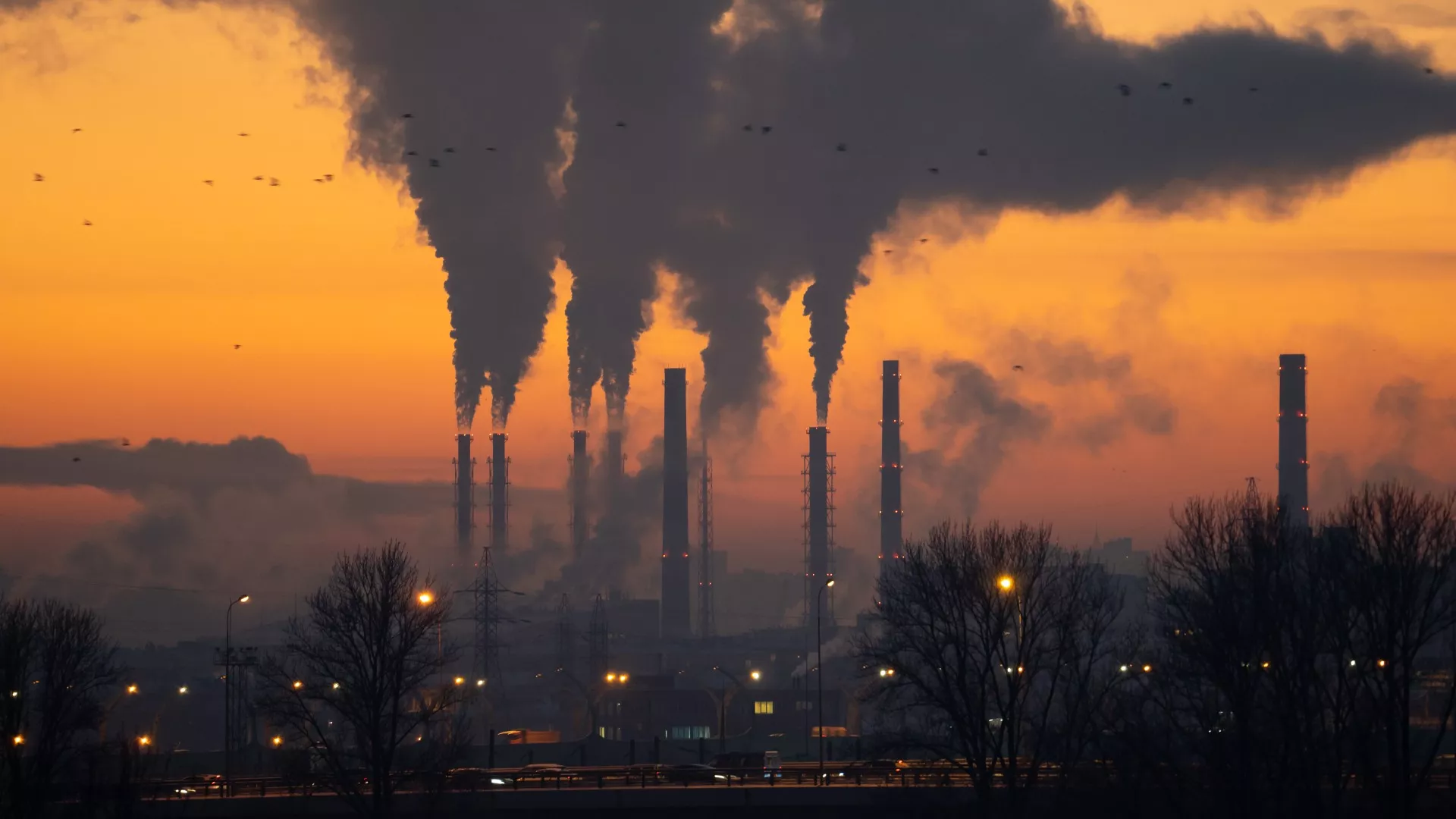
Air quality levels have deteriorated across several urban centers as rising temperatures and dust accumulation intensify pollution conditions. Environmental monitoring agencies report increased concentrations of particulate matter, particularly PM2.5 and PM10, posing health risks to millions of residents.
According to the World Health Organization, exposure to high levels of air pollution can lead to respiratory illnesses, cardiovascular problems, and aggravated conditions such as asthma. The current decline in air quality is being driven by a mix of natural and human-made factors.
Heatwaves—linked to climate change—are worsening the situation by increasing ground-level ozone formation and trapping pollutants closer to the surface. In many regions, dry conditions contribute to dust storms and the resuspension of fine particles from roads and construction sites.
Urban emissions from vehicles, industries, and construction activities further compound the problem. Cities with high population density and limited green cover are particularly vulnerable to rapid declines in air quality during prolonged hot and dry periods.
Authorities are advising residents to limit outdoor activities during peak pollution hours, use protective masks where necessary, and stay hydrated. Long-term solutions include stricter emission controls, improved public transport, urban greening, and better dust management practices.
Experts warn that without sustained intervention, worsening air quality could become a recurring challenge, especially as climate patterns continue to shift.

- upgraderz.aws@gmail.com
- upgraderz.aws@gmail.com
- upgraderz.aws@gmail.com
- upgraderz.aws@gmail.com