

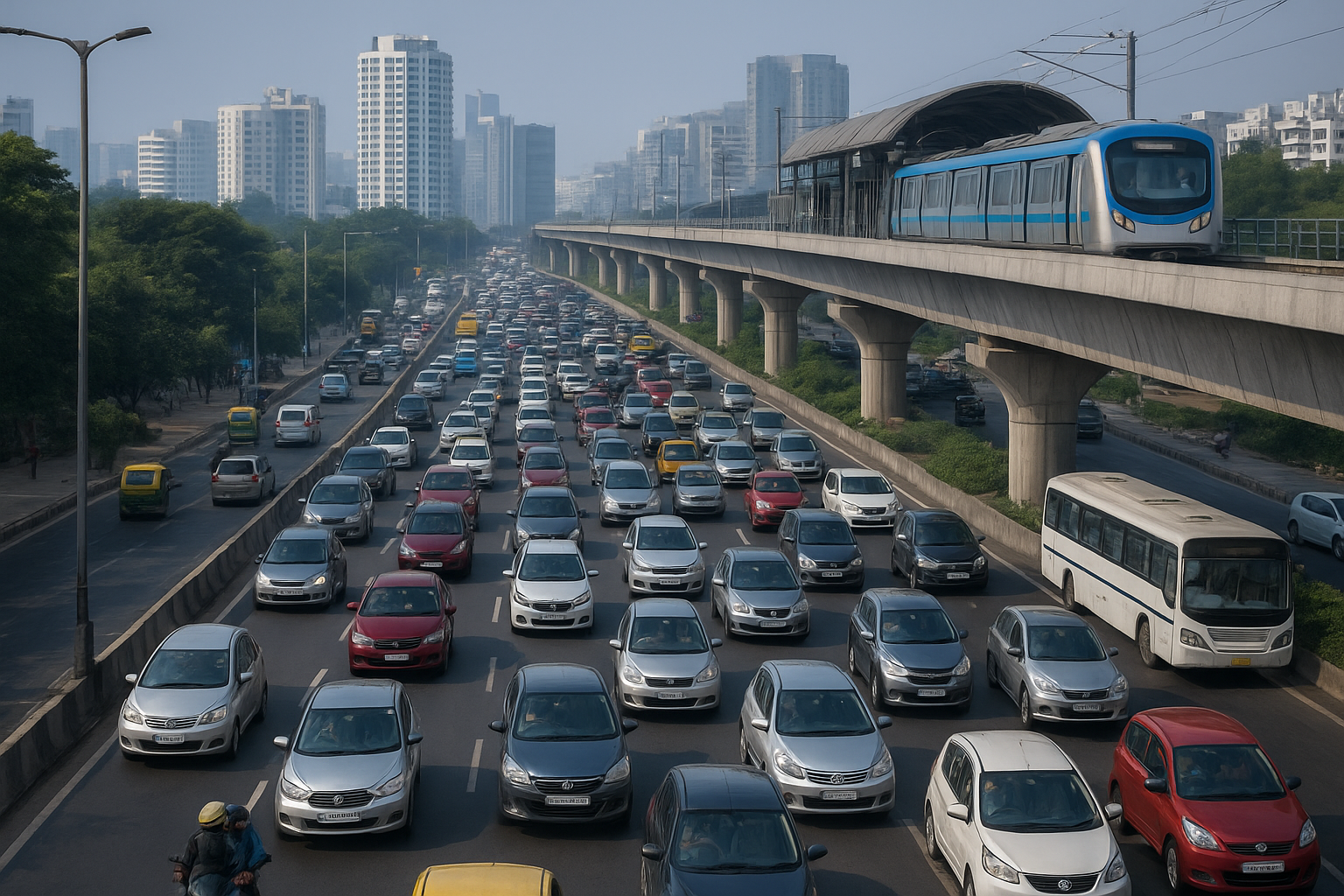
Major urban centres across the country are implementing new traffic and public transport reforms to tackle worsening congestion and improve daily mobility for residents. Rapid urbanisation, rising vehicle ownership, and limited road space have led to longer commute times, increased fuel consumption, and growing pollution levels, prompting city authorities to act decisively.
A key focus of the reforms is strengthening public transport systems. Metro rail expansions, improved suburban rail services, and upgraded bus networks are being prioritised to provide reliable and affordable alternatives to private vehicles. Cities are introducing electric and low-emission buses, dedicated bus lanes, and better feeder services to improve connectivity and reduce travel delays. Integrated ticketing and common mobility cards are also being rolled out to make multimodal travel more convenient.
Traffic management is another major area of reform. Intelligent traffic signal systems, real-time monitoring through cameras and sensors, and centralised control rooms are helping authorities manage traffic flow more efficiently. Parking reforms, including paid parking zones and digital payment systems, aim to reduce roadside congestion and discourage unnecessary vehicle use in crowded areas.
Several cities are also promoting walking and cycling by developing pedestrian-friendly streets, dedicated cycle lanes, and public bicycle-sharing programmes. These measures support short-distance travel while contributing to better public health and lower emissions.
Officials believe that combining public transport expansion, smart technology, and demand-management strategies will significantly ease congestion over time. While challenges remain, the reforms mark an important step toward creating cleaner, more efficient, and liveable urban environments.


- upgraderz.aws@gmail.com
- upgraderz.aws@gmail.com
- upgraderz.aws@gmail.com
- upgraderz.aws@gmail.com