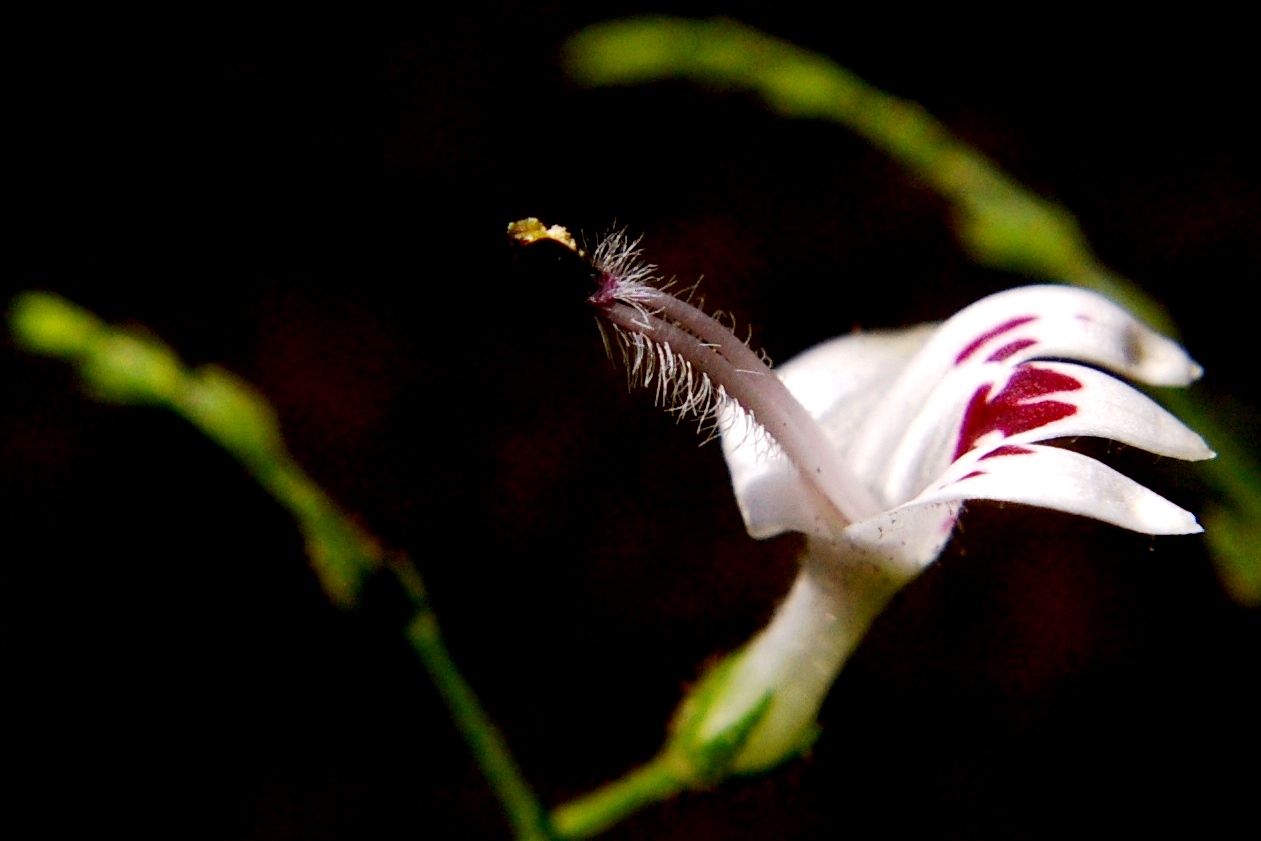
Andrographis paniculata, commonly known as Green Chiretta, creat, or Indian Echinacea, is a medicinal herb belonging to the Acanthaceae family and is native to India and Sri Lanka. Famous for its intensely bitter taste, it is widely referred to as the “King of Bitters.” The species was first scientifically recorded by Nicolaas Laurens Burman in Flora Indica (1768). After Burman’s death, the unfinished work was completed by Johann Gerhard Koenig, who served the English East India Company.
In India, the plant is commercially traded under the name “Kalmegh,” with annual trade volumes estimated between 2,200 and 5,500 tons. It has long been used in traditional Indian and Chinese medicine for treating ailments such as fever, influenza, malaria, jaundice, common cold, intestinal worms, and even snakebite poisoning.
Modern scientific research has explored its medicinal properties as well. A 2017 meta-analysis studying its use for acute respiratory tract infections suggested possible benefits and reasonable safety, although researchers concluded that available clinical evidence remained inconclusive.
During Thailand’s COVID-19 outbreak in late 2020, the country’s health ministry approved the plant extract for use in a pilot alternative treatment program. However, scientific debate continues regarding its effectiveness against COVID-19.
Beyond medicine, the plant also has cultural uses in Southeast Asia. In Cambodia, the dried roots are soaked in alcohol to prepare an appetizer drink, while the seeds are used to make a traditional black jelly dessert known as chahuoy khmau.
– Vincent Vanur