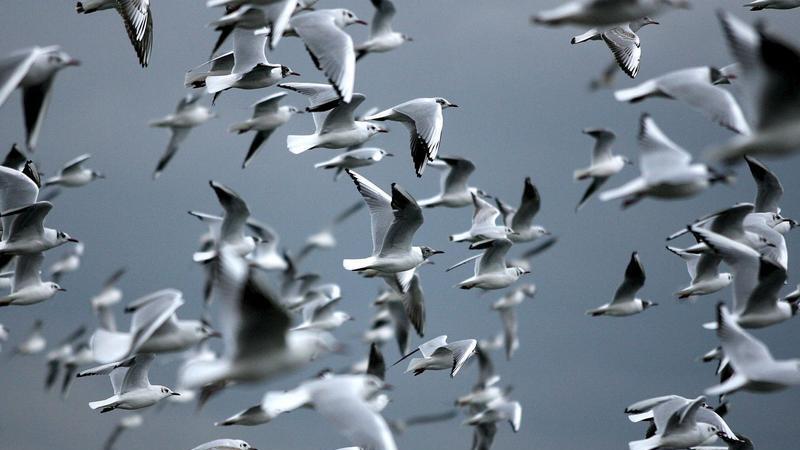
New Zealand has confirmed its first detection of the highly pathogenic H5N1 avian influenza virus in wild birds, prompting an immediate response to protect the country’s unique wildlife. Conservation and biosecurity authorities have launched emergency surveillance and vaccination measures for several endangered native species that are considered especially vulnerable to the virus. The discovery marks a significant milestone for a country that has remained largely free from the global H5N1 outbreak affecting birds and mammals across multiple continents.
Officials from the Ministry for Primary Industries (MPI) and the Department of Conservation (DOC) are closely monitoring affected areas, increasing testing of wild birds, and strengthening biosecurity measures. Conservation teams have begun vaccinating selected threatened bird populations in wildlife sanctuaries and breeding programmes where the risk of infection is considered highest. The effort aims to prevent the virus from spreading to rare species with already fragile populations.
Experts warn that H5N1 has caused widespread mortality among wild birds worldwide and has occasionally infected mammals. While the current risk to the general public remains low, authorities are urging people to avoid handling sick or dead birds and to report unusual bird deaths immediately.
New Zealand’s rapid response reflects growing global concern over emerging wildlife diseases and highlights the importance of early detection, continuous monitoring, and coordinated conservation efforts to safeguard biodiversity. The measures are expected to strengthen the country’s preparedness against future outbreaks while protecting its internationally significant native bird species.
News as reported