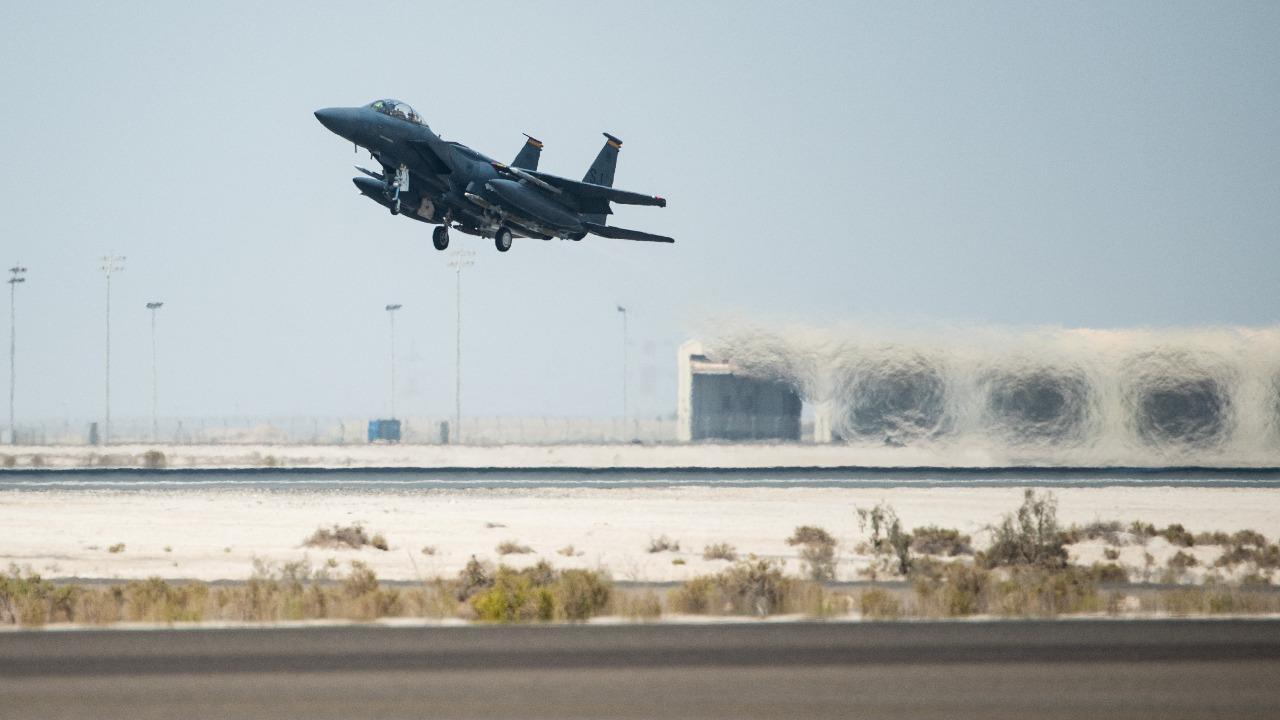
The conflict between the United States and Iran intensified on July 9, 2026, after the collapse of a temporary ceasefire. The U.S. launched a fresh wave of airstrikes targeting approximately 90 Iranian military sites, including missile facilities, air-defense systems, naval infrastructure, and logistics bases. According to U.S. officials, the operation was carried out in response to attacks on commercial vessels in the Strait of Hormuz, one of the world’s most important oil shipping routes.
Iran retaliated by launching missiles and drones toward U.S. military installations in Bahrain and Kuwait. Air-defense systems intercepted many of the incoming projectiles, but the renewed exchanges have raised fears that the conflict could spread across the Gulf region. Iranian leaders have warned that further U.S. military action will be met with stronger retaliation.
The renewed fighting has also shaken global financial markets. Oil prices climbed sharply as traders worried that prolonged instability could disrupt energy exports through the Strait of Hormuz, a route that handles a significant share of the world’s crude oil shipments. Analysts caution that continued military escalation could lead to higher fuel prices and increased economic uncertainty worldwide.
News as Reported.