

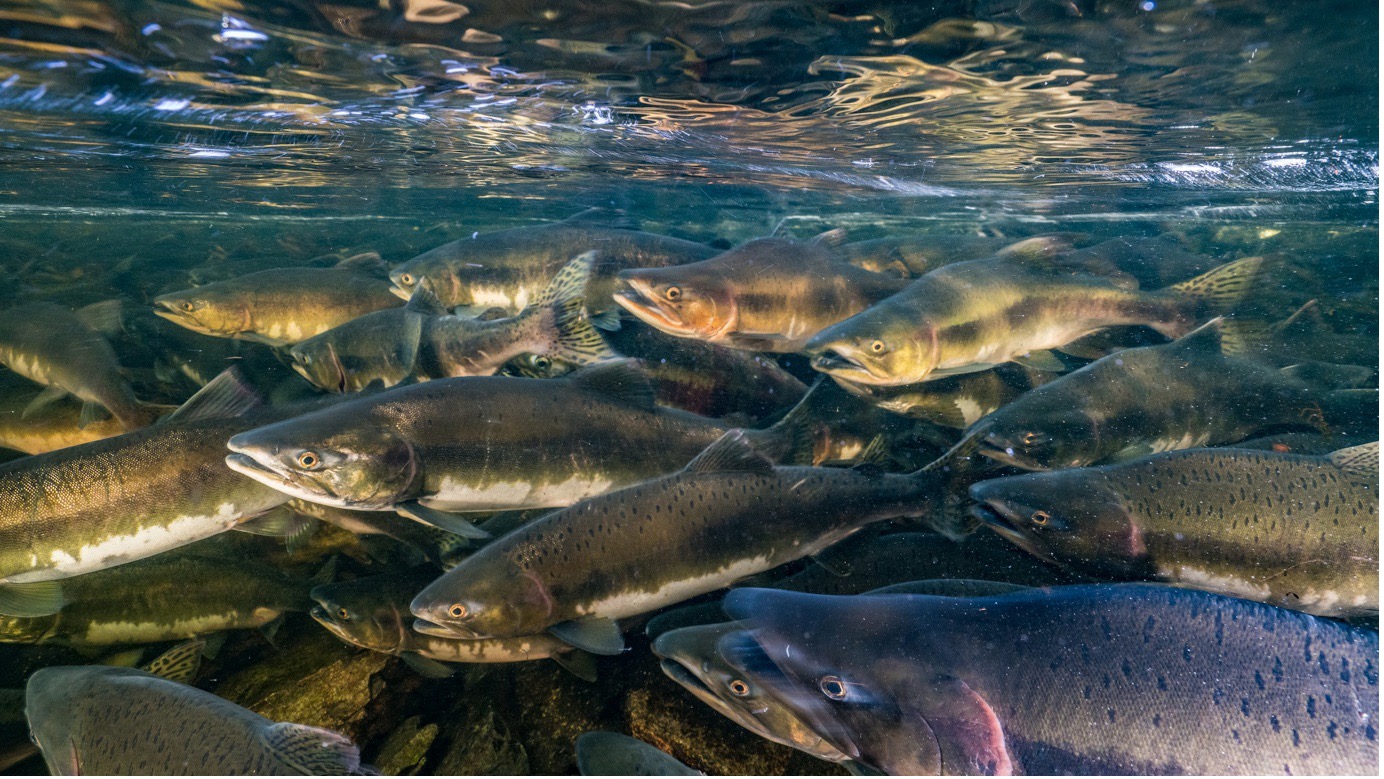
Global freshwater fish populations are showing early signs of stabilization after decades of steady decline, according to recent ecological assessments. Scientists note that while many species remain under threat, the rate of population loss has slowed in several river basins and freshwater ecosystems across the world. This shift is being linked to improved conservation strategies, stricter pollution controls, and increased awareness about sustainable water management.
Efforts such as habitat restoration, dam regulation, and the creation of protected aquatic zones have played a significant role in supporting fish recovery. In addition, community-led conservation programs and better monitoring systems have helped reduce overfishing and illegal practices in vulnerable regions.
Researchers caution, however, that this stabilization does not mean full recovery. Climate change, rising water temperatures, and continued habitat fragmentation still pose serious risks to freshwater biodiversity. Many species remain critically endangered, and ecosystems are still fragile.
Environmental experts emphasize that sustained policy support and global cooperation will be essential to maintain this positive trend. Strengthening river conservation initiatives and investing in long-term ecological monitoring could help ensure that freshwater fish populations not only stabilize but gradually recover in the years ahead. News as reported
