

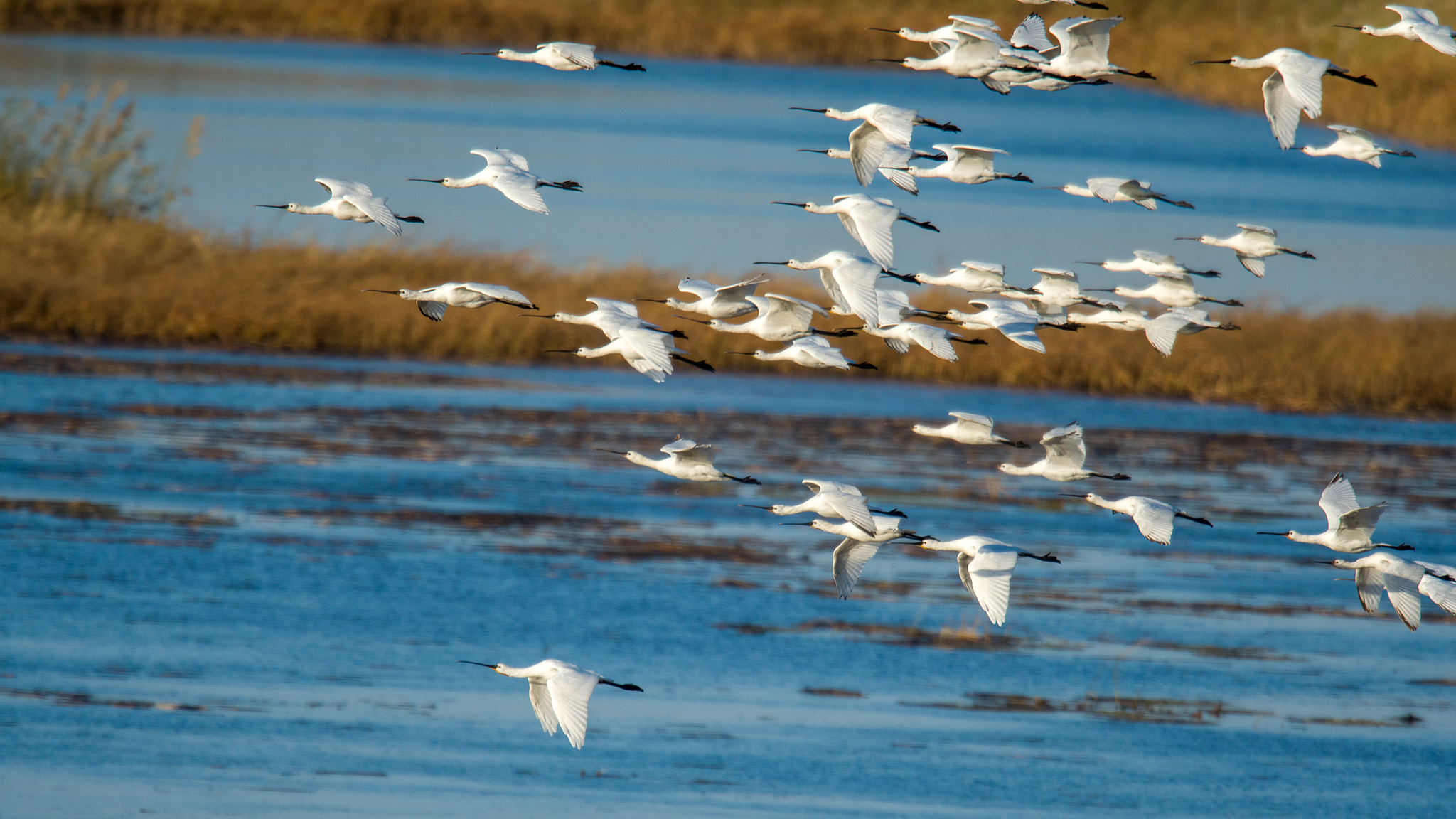
Seasonal wetlands across several regions are witnessing an encouraging surge in migratory bird numbers, surprising researchers and conservationists alike. These temporary water bodies, often formed during monsoon and post-monsoon periods, are proving to be vital stopover and feeding grounds along major migration routes.
Experts link this rise to improved water availability, better protection measures, and increased awareness about wetland conservation. Many of these habitats support rich biodiversity, offering abundant food sources such as insects, fish, and aquatic plants that sustain long-distance travelers.
Species associated with global migration pathways like the Central Asian Flyway are among those benefiting. Birds using this route depend heavily on wetlands across South Asia to rest and refuel during their journeys between breeding and wintering grounds.
Increased sightings of ducks, waders, and shorebirds suggest that even smaller, previously overlooked wetlands are playing a crucial ecological role. Community-led conservation efforts, including reduced hunting and habitat restoration, have further contributed to the positive trend.
However, scientists caution that these gains may be temporary if threats such as land conversion, pollution, and climate variability are not addressed. Sustained conservation policies and local stewardship will be essential to ensure that seasonal wetlands continue to support migratory bird populations in the long term. News as reported
