

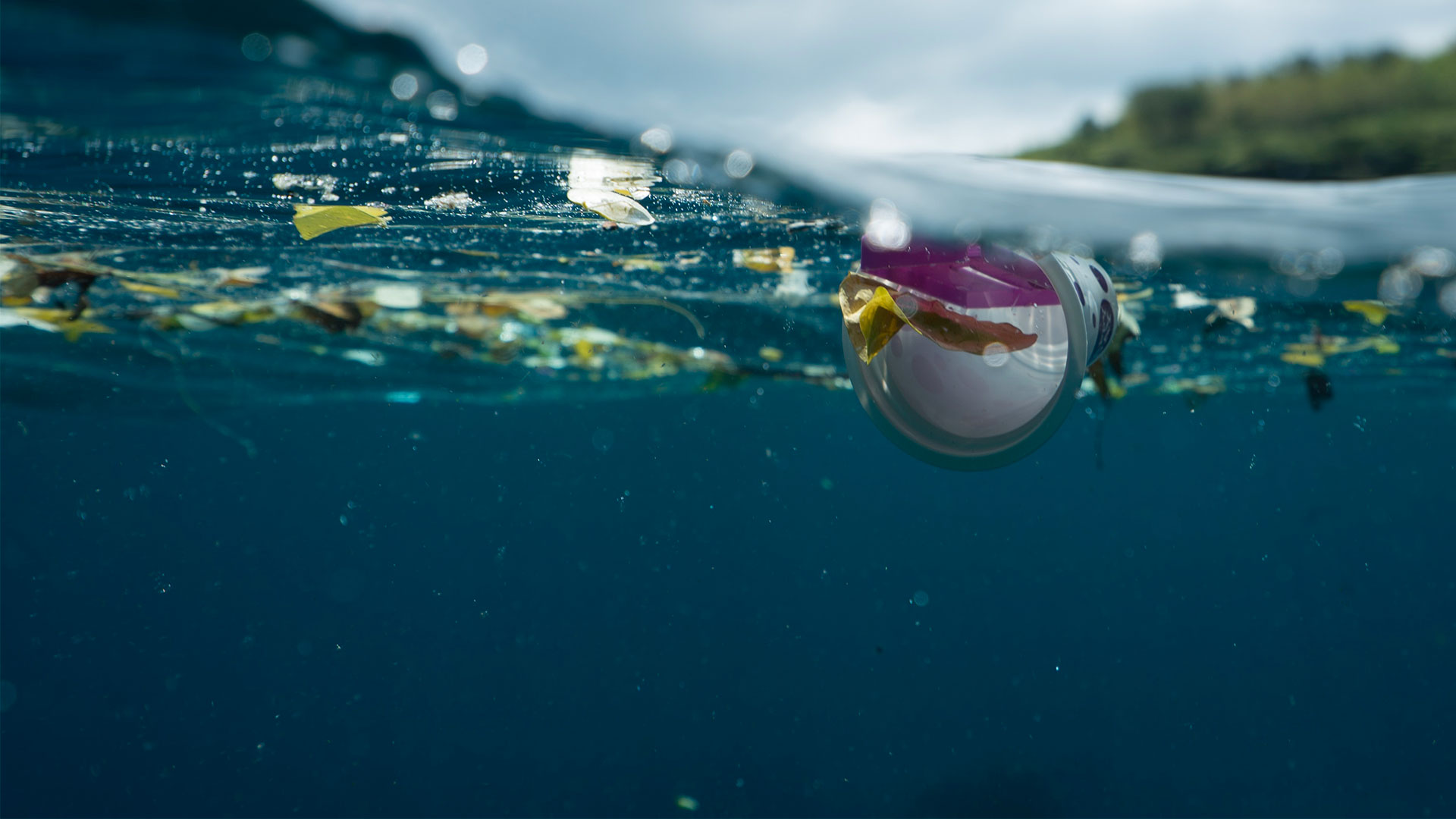
A promising breakthrough in marine science suggests that naturally occurring microbes could help tackle the growing crisis of ocean plastic pollution. Researchers have identified strains of bacteria capable of breaking down common plastics, offering a potential biological solution to one of the planet’s most persistent environmental challenges.
The discovery builds on earlier findings involving microbes such as Ideonella sakaiensis, first reported to digest PET plastics. Scientists are now exploring similar organisms adapted to marine environments, where plastic waste accumulates in vast quantities.
These microbes produce specialized enzymes that can break long plastic polymers into simpler compounds, significantly accelerating a process that would otherwise take hundreds of years. Laboratory tests show encouraging results, with certain strains demonstrating the ability to degrade microplastics under controlled conditions.
Experts caution, however, that translating this discovery into large-scale ocean cleanup solutions will require careful study. Factors such as ecological impact, efficiency in open waters, and safe deployment must be thoroughly evaluated to avoid unintended consequences.
If successfully developed, microbial plastic degradation could complement existing waste reduction strategies, including recycling and reduced plastic production. As research progresses, this innovation offers a hopeful step toward mitigating one of the most pressing threats to marine ecosystems worldwide. News as reported

- upgraderz.aws@gmail.com
- upgraderz.aws@gmail.com
- upgraderz.aws@gmail.com
- upgraderz.aws@gmail.com